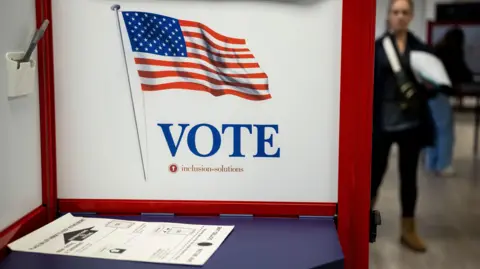
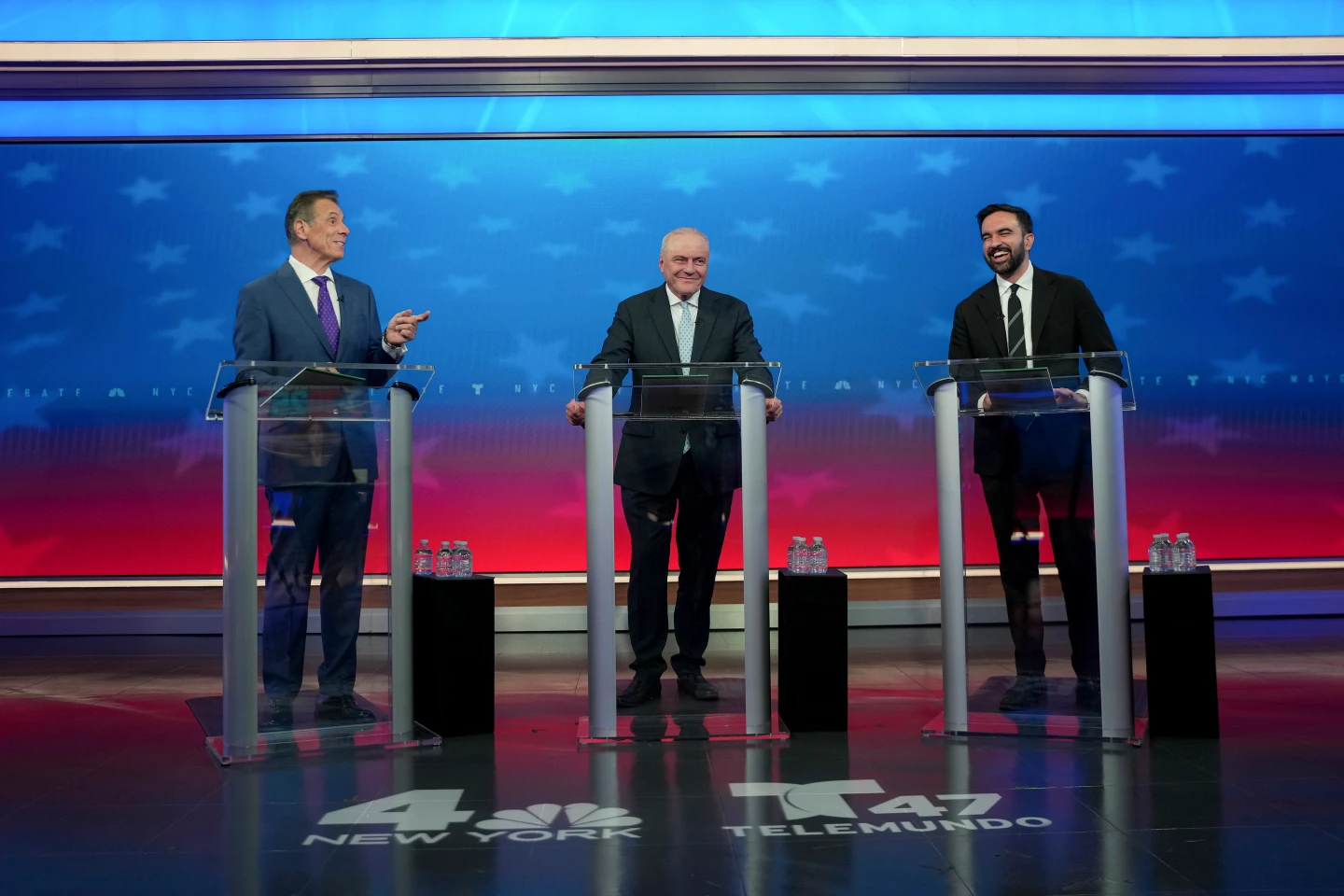
NEW YORK (RTW News) — Concerns have been raised regarding the New York City ballots for this year's mayoral election, particularly questions surrounding the practice of fusion voting, which allows candidates to appear under multiple party lines. The phenomenon has some observers questioning the integrity of the electoral process.
Elon Musk, known for his presence on social media, voiced his criticisms about the ballot setup. He highlighted how some candidates appear multiple times, suggesting it could mislead voters. However, experts counter this claim, emphasizing that fusion voting is a legal and established practice in New York.
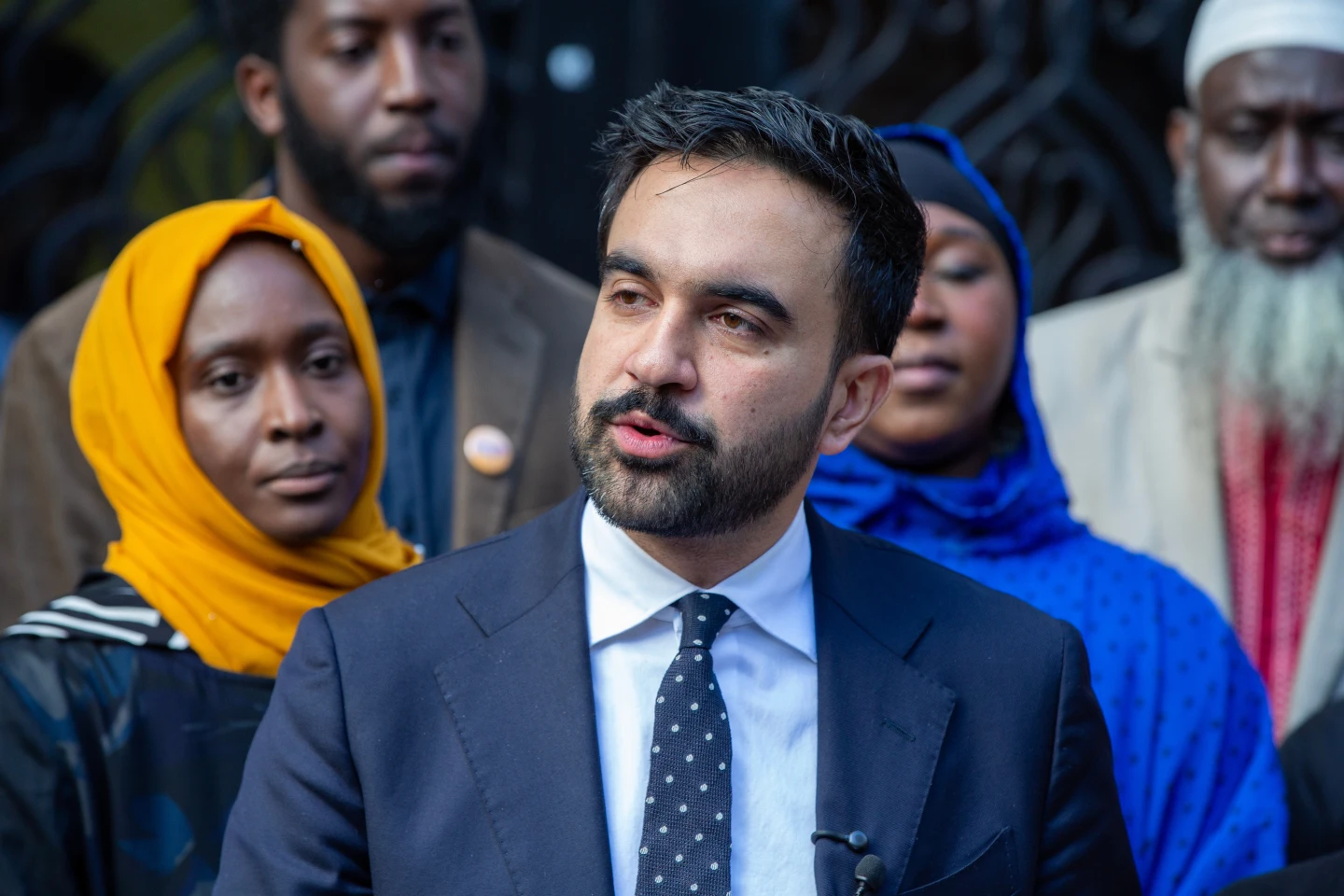
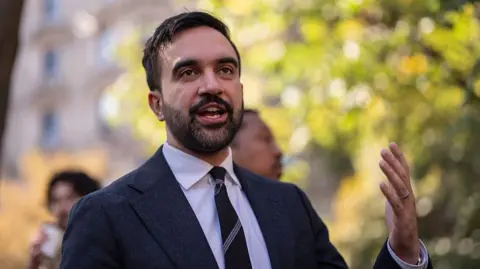
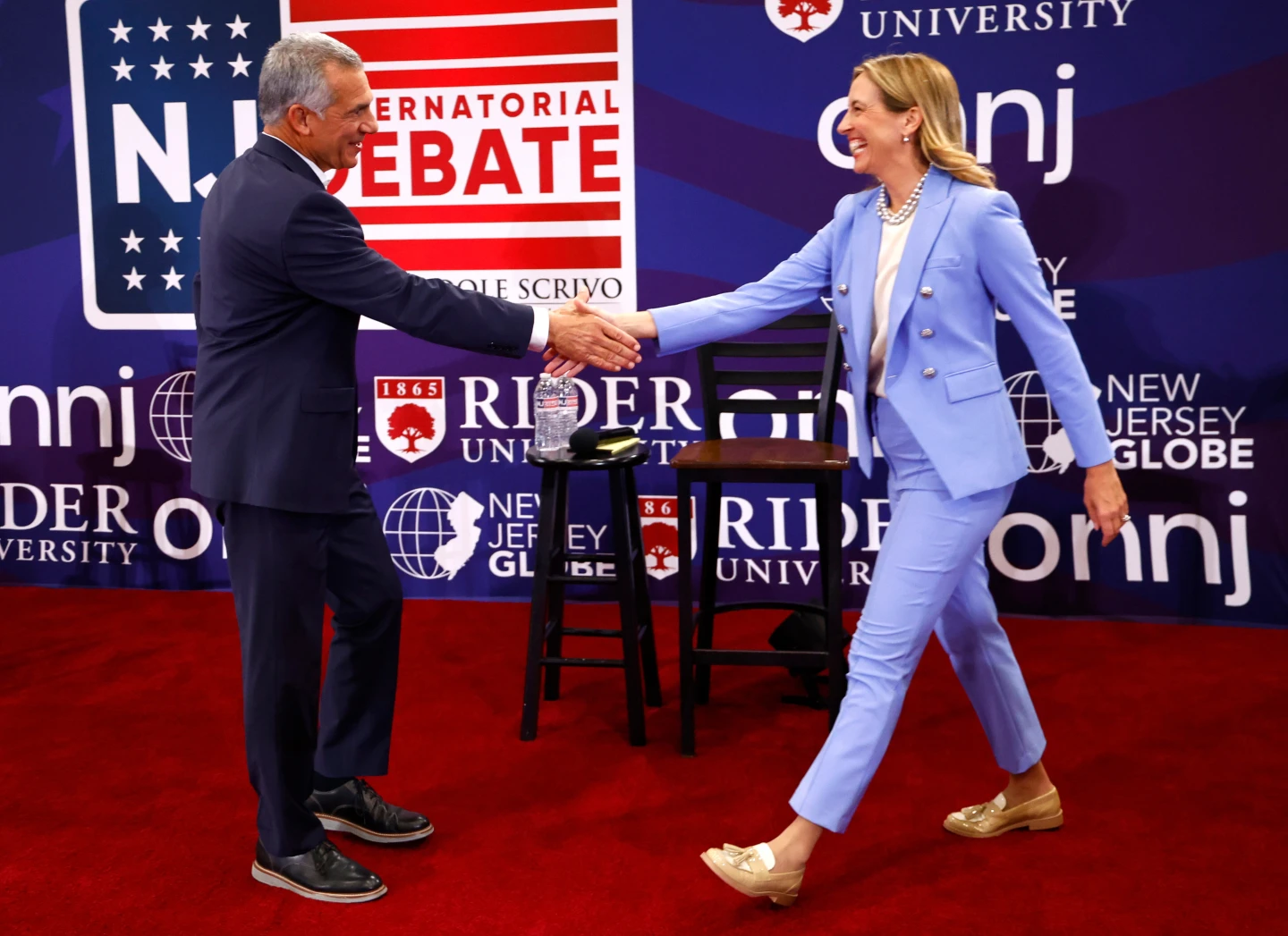
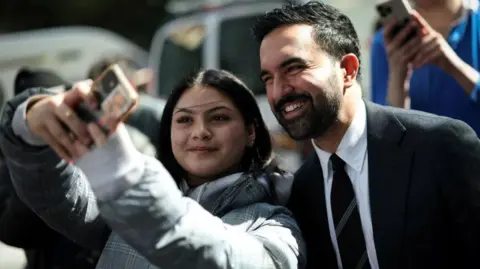
Fusion voting enables candidates like Zohran Mamdani, who is running for mayor as a Democrat, to also appear as a nominee for the Working Families Party. Similarly, Curtis Sliwa appears not only for the Republican Party but also for the “Protect Animals” independent party. This strategy can help candidates reach broader electorates.
Critics, including Musk, have mischaracterized the ballot positioning as a sign of fraudulent practices. However, election officials and advocates explain that Cuomo's positioning on the ballot is due to his late entry into the race as an independent, resulting in him being positioned lower.
Richard Briffault, a professor of election administration at Columbia Law School, noted that such practices promote diverse voting habits and allow for broader representation. Fusion voting has been a part of the New York electoral landscape for decades, shared by a few other states like Connecticut and Vermont.
Mamdani currently ranks first under the Democratic ticket and fourth under the Working Families Party, while Sliwa holds the second position under the Republican label and fifth for his independent affiliation. This ballot design serves to enhance candidates' appeal to varying segments of voters.
In summary, while concerns regarding ballot designs and electoral integrity can spark important discussions, they often stem from misunderstandings of established voting laws. New York's fusion voting system remains a valid and vibrant element of its electoral proceedings.