WASHINGTON (RTW) — Key officials from the agencies enforcing President Trump's immigration policies will appear before Congress on Tuesday to answer questions about their actions in American cities.
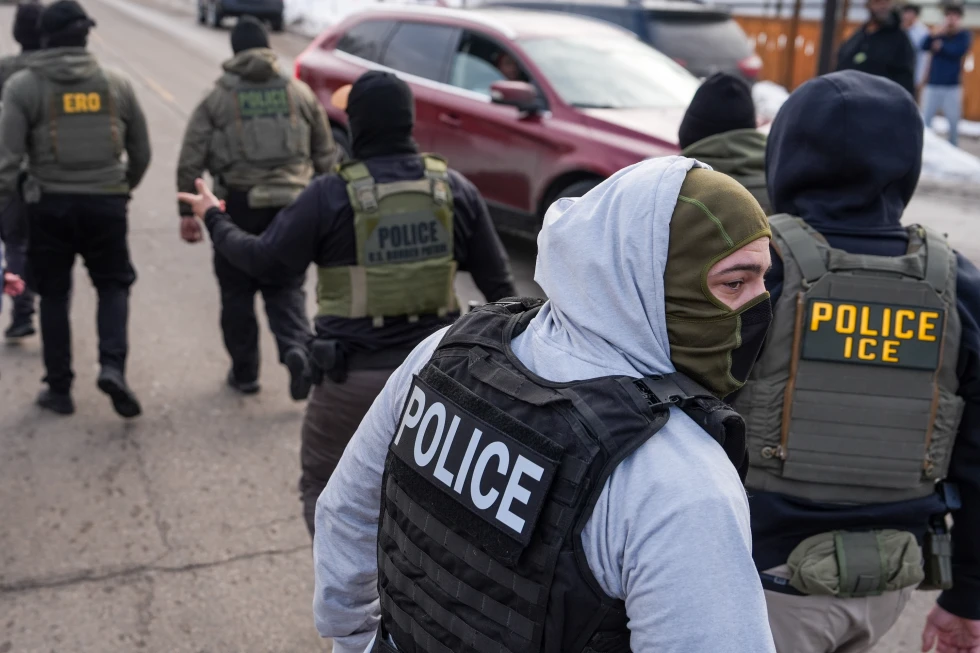
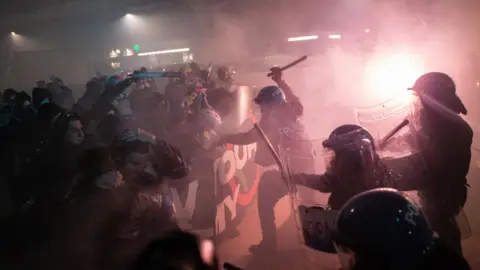
Trump’s immigration efforts have faced intense scrutiny recently, especially after the tragic shooting deaths of two protesters in Minneapolis by Homeland Security personnel. The actions taken by these agencies are being criticized for allegedly infringing on both the rights of immigrants and citizens participating in protests.
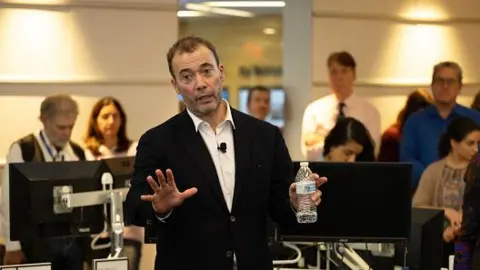
Todd Lyons, the acting director of U.S. Immigration and Customs Enforcement (ICE), Rodney Scott, the head of U.S. Customs and Border Protection, and Joseph Edlow, the director of U.S. Citizenship and Immigration Services, will present their testimony to the House Committee on Homeland Security.
The officials are stepping into a politically charged environment marked by decreasing public support for their operations, yet they also enjoy substantial funding from a recent spending bill that has expanded their enforcement capabilities nationwide.
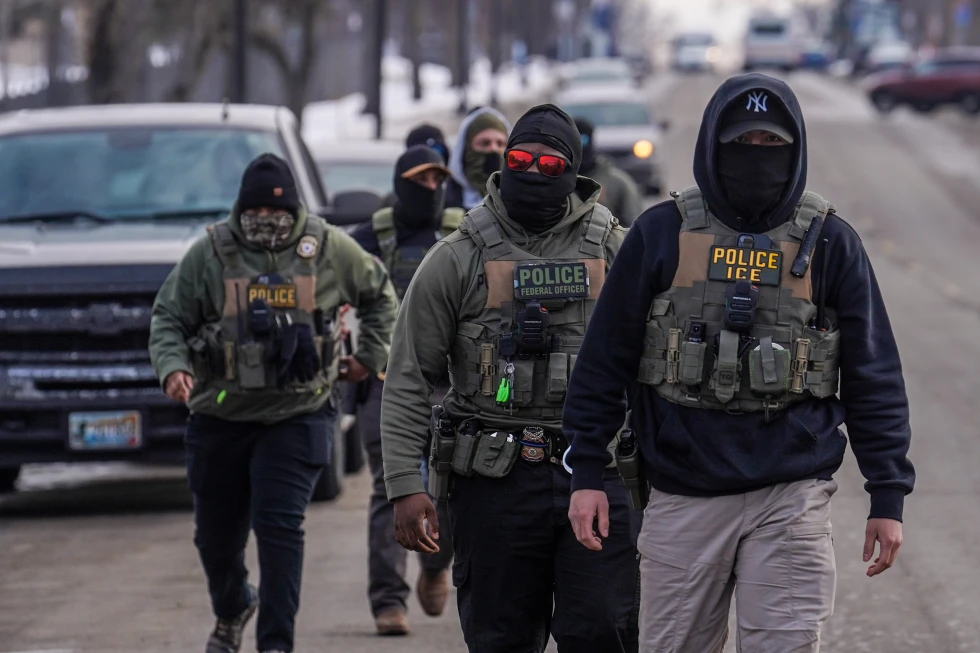
According to the administration, it is the activists and protesters who are escalating tensions against their enforcement agents, maintaining that their operations are crucial for safety by targeting individuals with criminal records or those posing threats to national security.
Under Lyons' leadership, ICE has experienced significant growth funded by Congress, leading to more aggressive enforcement activities in cities across the nation. The congressional meeting arrives at a time when lawmakers are debating the extent of funding for the Department of Homeland Security and the associated conduct oversight for its officers.
Lyons is expected to face tough questions regarding a controversial memo he issued last year that allowed ICE agents to enter residences without a judge’s warrant for deportee arrests, clashing with established legal norms protecting against unreasonable searches.
Scott's agency has significantly shifted its focus towards conducting arrests and removals within the U.S., contradicting its previous primary roles concerning border protection and entry control.
In Minneapolis, the controversial deaths of protesters Alex Pretti and Renee Good, who were shot by DHS personnel during protests, have provoked outrage and drawn attention to the aggressive tactics used by federal agents. The reevaluation of DHS practices under pressure highlights the ongoing discourse surrounding immigration enforcement and public safety.
The recent escalation in enforcement activities has resulted in numerous allegations of excessive force and has transformed the agencies' operational patterns, thus igniting further debate on immigration policy in America.
USCIS has also been criticized for its policies, such as re-vetting refugees and pausing multiple asylum cases, raising additional concerns about the implications for those seeking safety in the U.S.