
Christian Eriksen’s Life‑Saving Implant Overcomes Heart Attack on the Pitch
On Sunday, Denmark’s star winger Christian Eriksen collapsed during a friendly against Ukraine. He lost consciousness after a sudden cardiac arrest, but thanks to an implantable cardioverter defibrillator (ICD) fitted in his chest, the device immediately delivered an electric shock that restarted his heart.
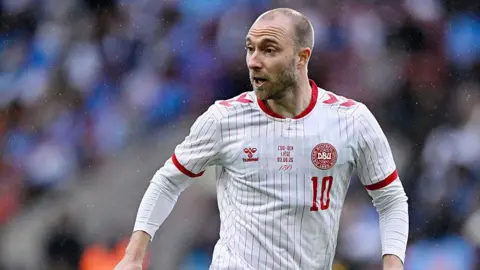
Eriksen had previously suffered a cardiac arrest in 2021 and underwent surgery to implant the ICD. The device constantly monitors heart rhythm and, when it detects a dangerous irregularity, it supplies a powerful shock to restore a normal beat.
“My ICD did exactly what it was designed to do: protect me when I needed it,” Eriksen posted on social media. He has since begun recovery at home with family, reaffirming that the implanted device has “kicked in straight away when his heart was in trouble,” according to cardiologists.
How ICDs Work
An ICD can be either sub‑cutaneous, with leads running under the skin to the heart, or directly attached to the heart, similar to a pacemaker. In either case, the device continuously senses heart rhythm, and if an overly fast or irregular rhythm is detected, it administers a controlled shock to reset the heart.
Although ICDs are a lifesaving treatment, they are not a cure. They act as a safety net that may shock the heart a small percentage of the time as part of regular monitoring.
Prevalence in Young Athletes
Sudden cardiac arrest can occur for various reasons, including genetic conditions, inflammation of heart muscle, or after infections. While rare, it has claimed the lives of several professional footballers, such as Fabrice Muamba and Marc‑Vivien Foe.
Studies estimate that about one in 250 young footballers may have a heart condition warranting regular monitoring. Screening programmes across England now require every player signing a professional contract to undergo electrocardiograms and ultrasounds at age 18 and 20.
Return to Sport after ICD Implantation
Research shows many athletes with ICDs can safely return to play, provided they receive proper medical advice. In Eriksen’s case, the device allowed him to be discharged from the pitch quickly, avoiding the delay that would have been required without the implant.
In Italy, athletes with ICDs are banned from playing professionally, but in other countries, guidelines are more lenient and allow medical clearance. Eriksen’s future in football remains uncertain, yet the presence of his ICD remains a crucial safeguard.
As Dr Steve Cox notes, “In around 80% of cases there are no signs or symptoms before collapse.” Regular screening and advances in implantable technology provide hope that young athletes can navigate these risks and continue enjoying the sport they love.