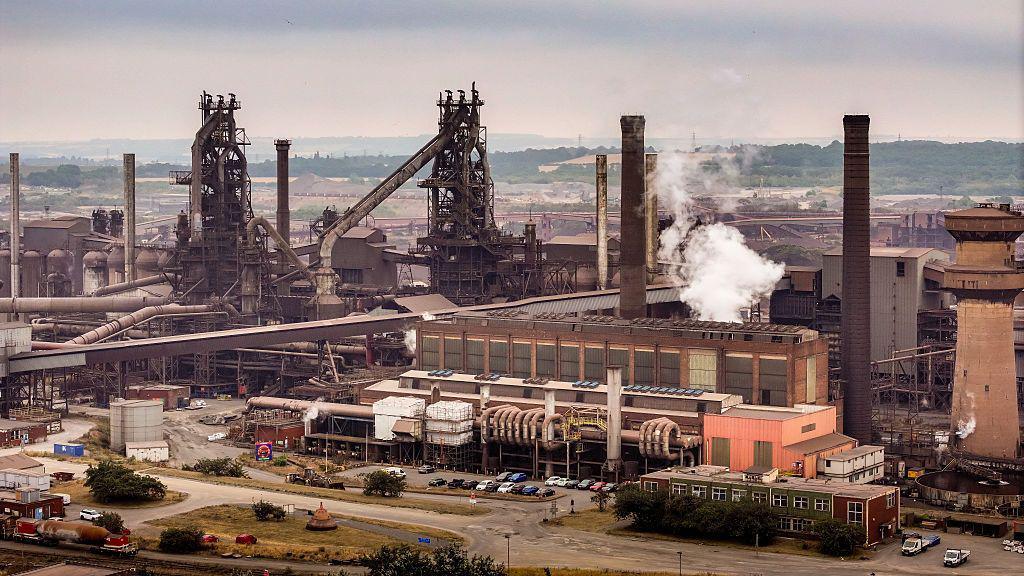
China Outraged as Britain Nationalises British Steel
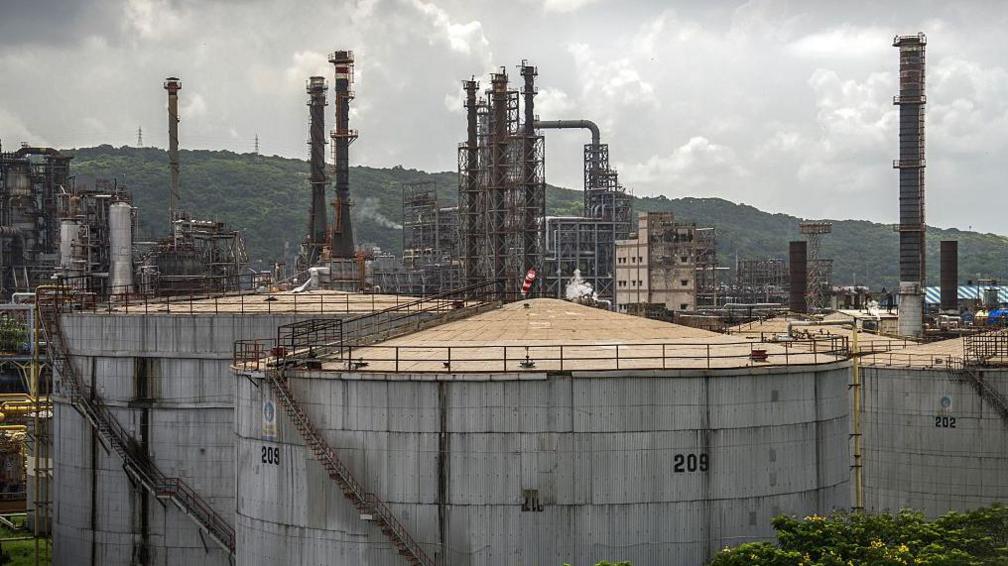
On 17 July 2026 the UK government formally took British Steel into public ownership. The action was justified by the government as a measure to protect jobs and preserve a “vital national capability” after the company’s losses hit a £700,000‑a‑day figure.
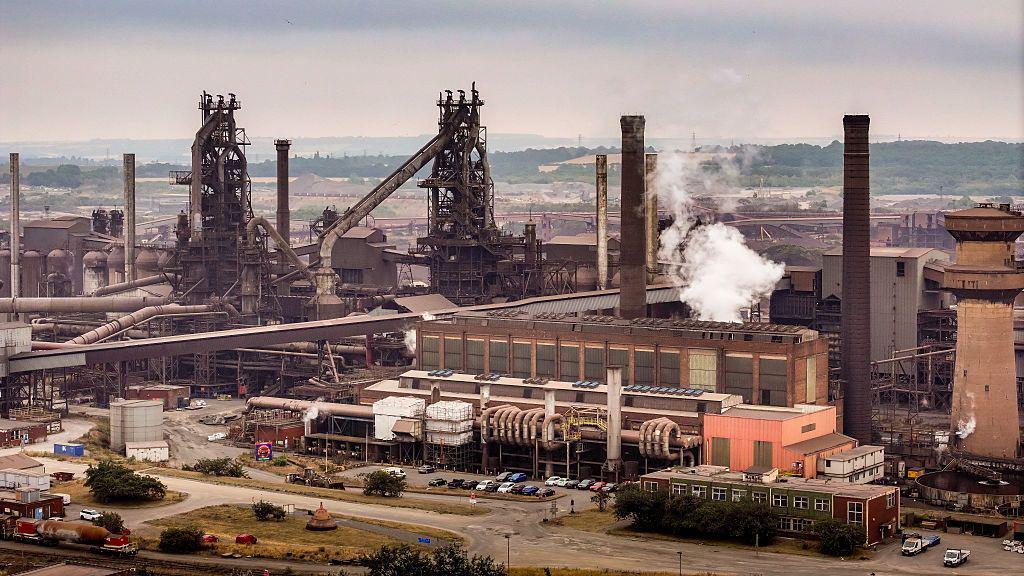
China’s commerce ministry immediately condemned the move, saying it “seriously infringes upon Jingye’s legitimate rights and interests” and undermines confidence of Chinese investors. The ministry threatened to monitor developments closely and to support Chinese firms in safeguarding their rights, though it stopped short of outlining concrete actions.
Economic Rationale behind the Nationalisation
- Scunthorpe steelworks, once a key British asset, had been loss‑making before the takeover.
- The UK government estimates the plant costs it about £1.3 million a day.
- The facility produces specialised steel that is not yet made elsewhere in Britain and is vital for Network Rail and the construction sector.
- There is no alternative domestic source of the same product, making any loss of production risky for the UK’s supply chain.
While the government intends to keep the plant operational, it plans to appoint an independent valuer in autumn to assess whether Jingye should receive compensation, which could potentially be nil.
Implications for UK‑China Relations
The nationalisation comes just weeks before the incoming UK prime minister, Andy Burnham, is expected to take office. The decision may test the delicate balance between domestic economic interests and maintaining a strategic partnership with the world’s second‑largest economy.
London has argued that the action was necessary for national security and for protecting jobs, while Beijing emphasises that the move violates the 1986 Bilateral Investment Treaty signed between the two countries. The UK government’s spokesperson said it was ready to negotiate and would continue to welcome Chinese investment.
Industry Context
Despite a strategic shift towards electric arc furnaces (EAFs), the UK has yet to produce all the steel it needs domestically, largely dependent on imports from the EU, the US, China and India. Should Scunthorpe halt production, Britain would become the only G7 country without the capacity to manufacture its own steel.
British Steel’s last nationalisation was in 1988 under the Thatcher administration. The current government faces the tough task of balancing short‑term operational costs against long‑term strategic independence for the steel sector.