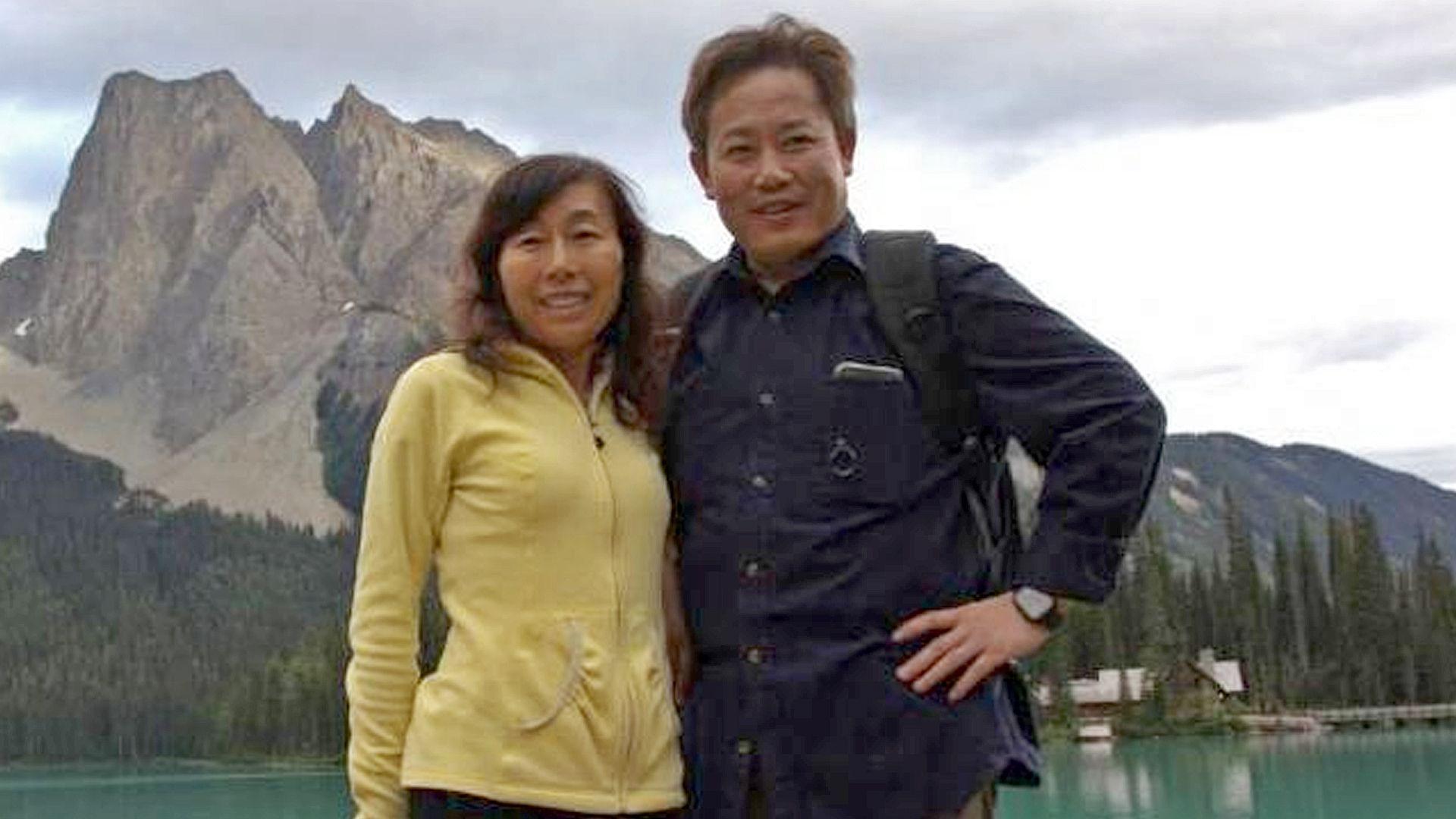

China on Monday arrested US seismologist Chen Youlin, 54, on espionage charges. The case is a flare‑up in an already tense relationship between Beijing and Washington over nuclear weapons and ballistic missile programmes. Chen specialised in detecting seismic signatures of underground nuclear tests, a field in which he collaborated with Chinese scientists on projects that monitored North Korea’s reactor activities.
He was apprehended during a stay in Beijing in November 2024, and his family says he has been held for more than two years. Without any public release, the Chinese foreign ministry insisted the case was handled “in accordance with the law”. In China, an espionage conviction can lead to life imprisonment or the death penalty.
Wuhan Group and other U.S. advocacy organisations say Chen’s detention is wrongful. His wife, Rong Yufang, who is also a seismologist, reports that he was interrogated over 100 times and denied access to counsel for 13 months. Her statement, highlighted by Global Reach, noted a lack of medical care for his diabetes, high blood pressure and high cholesterol.
Chen’s work centred on a 2020 study that used seismic data from across Asia to improve nuclear‑test yield estimates. No evidence suggests his research touched on China’s own nuclear programme, though U.S. officials suspect that Chinese authorities were reacting to alleged underground tests in the Lop Nur region.
Senator Edward Markey of Massachusetts called Beijing’s actions a “breakdown of partnership” and urged the Chinese government to release the scientist to prevent further chilling of academic exchange. He added that the case could deter future scholars from engaging with Chinese counterparts.
Beijing’s arrest of Chen follows the detainment of another U.S. academic, Min Zin, a Myanmar‑focused think‑tank director, who was also charged with spying. For a closer look, read the BBC report: Min Zin’s case.
The situation highlights the precarious circumstances for scientists operating in the nuclear‑test monitoring domain. As the U.S. and China navigate rising accusations and counter‑accusations, international fissures in the realm of scientific sovereignty remain stark.