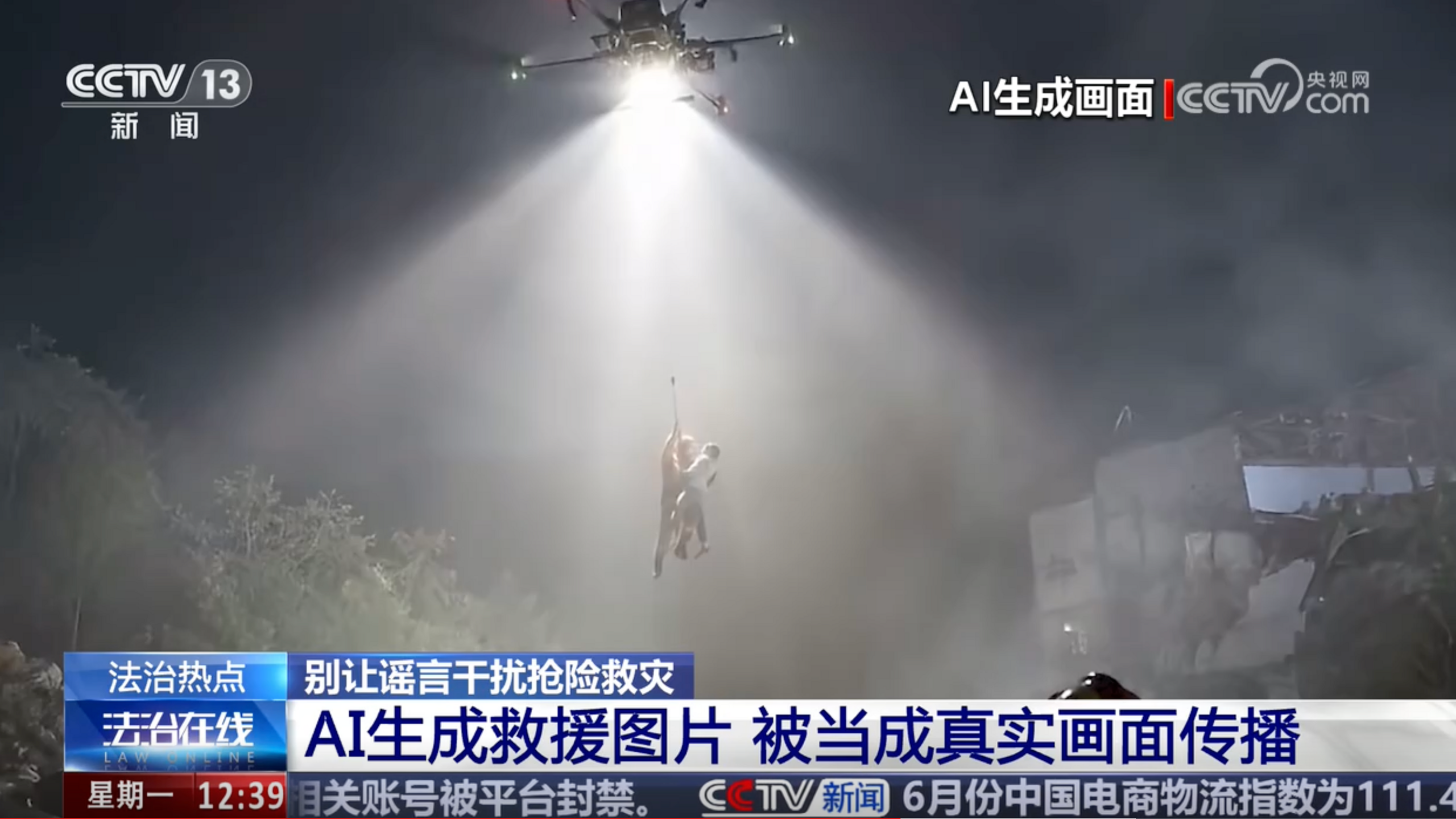
China’s response to Typhoon Noul reveals a new vulnerability: the proliferation of AI‑generated videos that misrepresent disaster scenes. These falsified clips—showing dead bodies floating in floodwaters, animals supposedly released into rivers and even staged rescues—arrive on social media amid real‑time emergencies and trigger panic and confusion.
The government has already begun to crack down on content creators, issuing fines or jail time for those who produce and spread fake disaster footage. Local authorities, such as Zhejiang’s police chief Huang Zhihua, highlighted that the simple, user‑friendly tools of AI remove the technical barrier to misinformation, allowing anyone to generate convincing yet entirely fabricated material.
Experts from academia and the legal field emphasize that while detection technology is improving, it still lags behind generation, creating a cat‑and‑mouse game. Professor Chen Bin cautioned that AI’s speed outpaces legal frameworks, while lawyer Peter Pang insists platforms and developers must be held accountable for the spread of harmful misinformation.
Given China’s push to become an AI superpower, authorities have called for a “trusted information infrastructure” that includes official alert systems and verified channels for disaster updates.
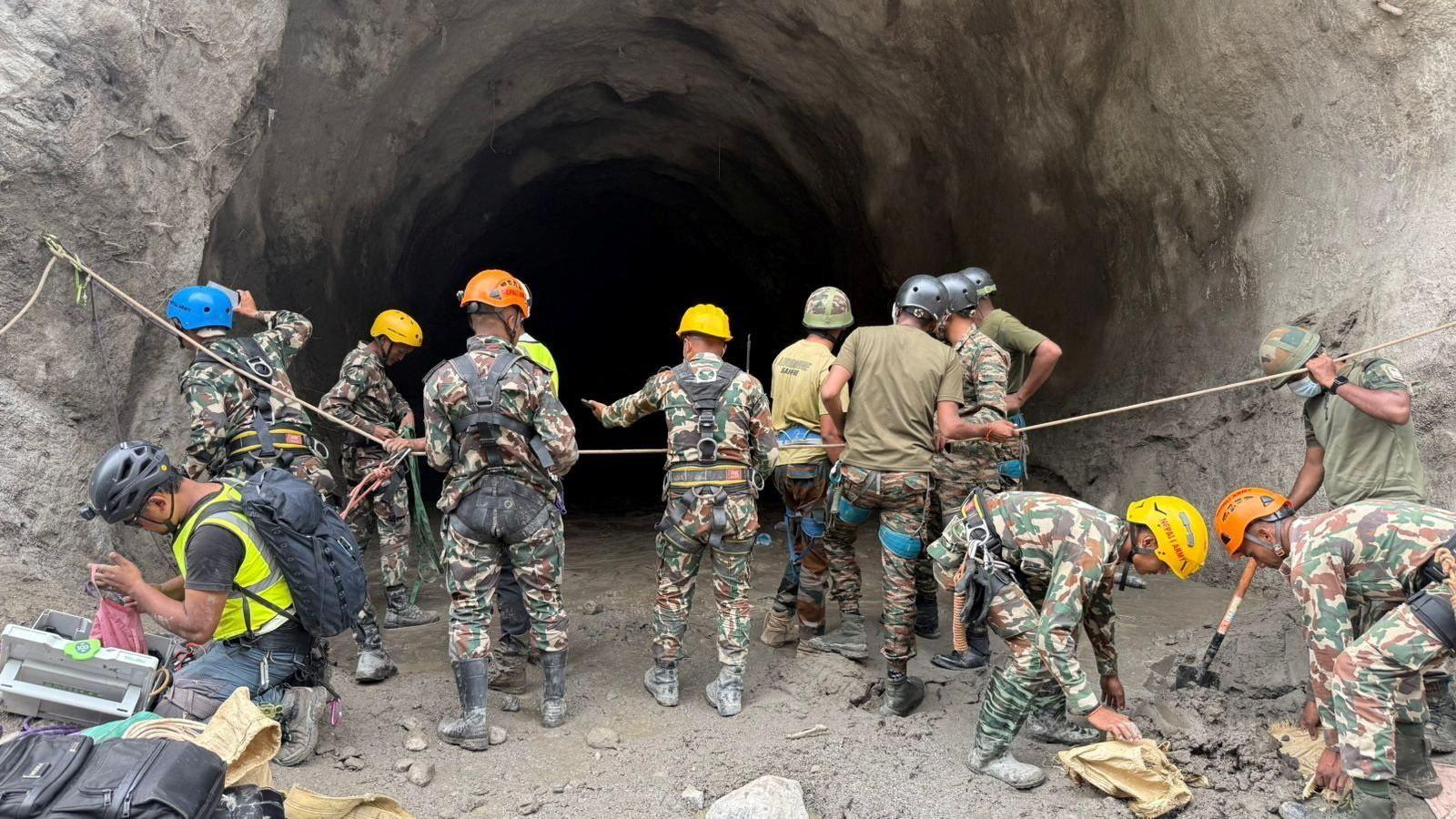
The urgency is clear: if fake content goes viral before a rescue is launched, the consequences can be deadly. As the legal and technological response lags, the nation’s already fragile trust in official communications could erode further, especially after past incidents where disaster data were underreported or fabricated by local officials.