
In brief
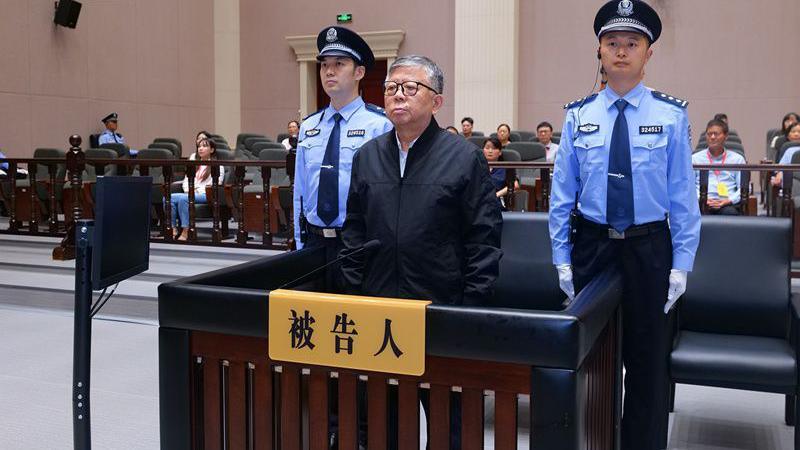
A former Nanjing city official, Yang Youlin, was sentenced to death for accepting $325 million in bribes over three decades while holding multiple government posts. The case, part of President Xi Jinping’s sweeping anti‑corruption campaign, highlights the Chinese government’s willingness to impose capital punishment on white‑collar crimes involving large sums. Yang’s crimes included embezzlement, abuse of power and money laundering, and he was found to have caused severe losses to state and people. Although death sentences for corruption are rare, they have been handed down for cases involving sums exceeding one billion yuan. Yang expressed remorse before sentencing, yet his offenses were deemed too grave for leniency.
A court in eastern China sentenced former Nanjing city official Yang Youlin to death for taking more than 2.2 bn yuan (about $325 million) in bribes over 30 years.
Yang held various positions in Nanjing from 1993 to 2023 and was convicted of embezzlement, abuse of power and money laundering, making him one of the highest‑paid corrupt officials in recent years.
He abused his positions to help engineers secure contracts, land transfers and financing in exchange for money and valuables, state media reported.
Yang’s case falls under President Xi Jinping’s anti‑corruption crackdown that has targeted military, banking and other high‑level sectors.
The court deemed Yang’s offences “extremely serious” and said they caused “exceptionally heavy losses” to the state and the people.
While death sentences for white‑collar crimes are rare, they are occasionally imposed when the illicit gains exceed one billion yuan.
Similar cases include former finance chief Lai Xiaomin, executed in 2021 for 1.8 bn yuan in bribes, and Li Jianping, executed in 2024 for over 3 bn yuan.
In many other cases, courts handed out jail terms or suspended death sentences, which are later commuted to life imprisonment. Some sentences were reduced when defendants exposed other corrupt acts, but Yang’s assistance was deemed insufficient for leniency.
Yang pleaded guilty and expressed remorse in his final statement, according to state media.

