In brief
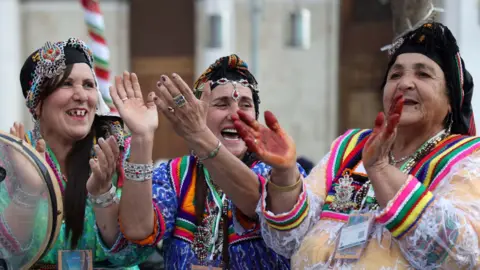
As the Amazigh people of North Africa welcome the year 2976, they celebrate with traditional food, music, and vibrant attire. Yennayer, the Amazigh New Year, centers around family gatherings and showcases the community's rich culture and history, especially significant after years of marginalization.
Across North Africa, the Amazigh people have been coming together to usher in the year 2976.
Unfortunately, they have not cracked time travel. Rather, they are almost a thousand years ahead of much of the world because they follow a calendar that starts at 950 BC, when King Sheshonq ascended the throne of Egypt.
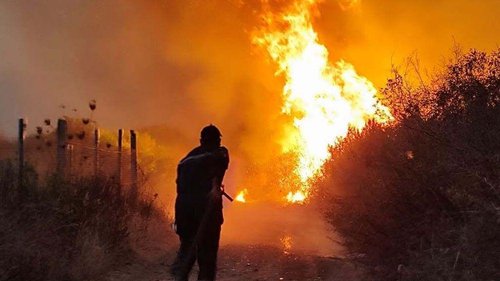
The Amazigh new year, known as Yennayer, begins between 12 and 14 January depending on the area in which they live in Algeria, Morocco, Tunisia, and Libya. Over the last few days, families have been laying on huge feasts, lighting bonfires, and playing traditional music.
Calls of aseggas ameggaz, or happy new year, ring through villages and busy city streets as vibrant, meticulously embroidered traditional clothing is donned for the occasion.
The Amazigh (which means free people or noble people) are a range of ethnic groups that are North Africa's original inhabitants, occupying the region since the beginning of recorded history.
The exact population size is unknown, but estimates suggest there are tens of millions of Amazigh people living across North Africa, with Algeria and Morocco housing the largest communities. The latter is thought to be 40% Amazigh.
Yennayer revolves around family gatherings, celebrating renewal and the strong connection the Amazigh have with nature. Traditional dishes differ across regions, from the rich ourkemen in Morocco to the sweet graduate of trèze in Algeria, symbolizing prosperity and good fortune.
In historical context, the Amazigh have faced marginalization, especially following the Arab conquest in the 7th Century that imposed new languages and culture. Recent decades have seen a resurgence of Amazigh identity, with Yennayer recognized as a public holiday in both Morocco and Algeria.
Thus, Yennayer not only marks the start of a new year but signifies a cultural victory and the celebration of Amazigh heritage, firmly rooted in the year 2976.