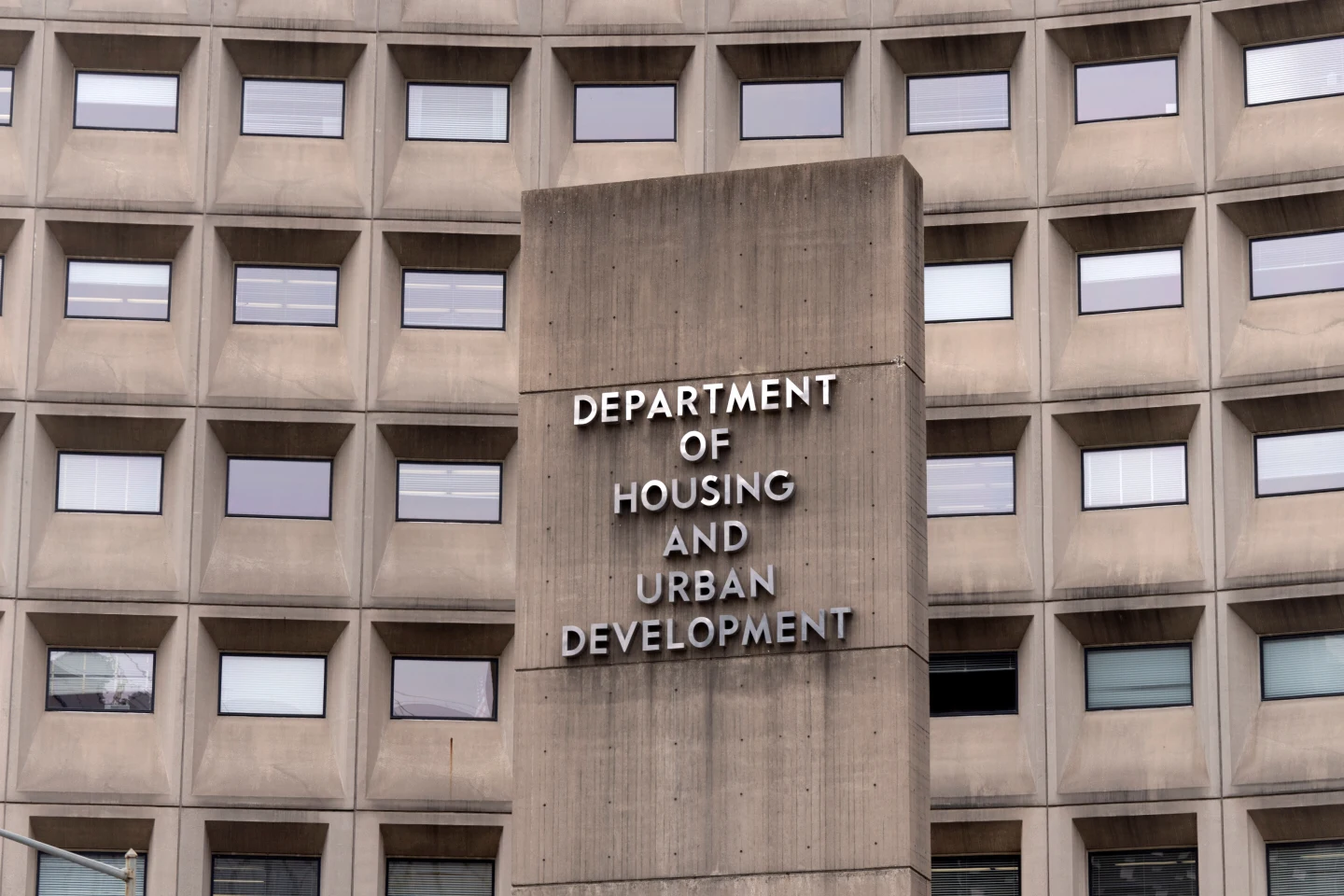
The catchy name 'Build America, Buy America' reflects the intent to create more manufacturing jobs in the U.S. However, the law has inadvertently created problems in the affordable housing sector. Under this law, projects receiving federal funds must use materials labeled 'Made in the USA,' which poses a challenge for developers who often rely on more affordable imported materials. With the Department of Housing and Urban Development (HUD) approving only a limited number of waivers, construction delays and program costs are mounting. Developers like Tyler Norod, who lead housing projects, voice that the red tape around this compliance is hindering efforts to build urgently needed homes.
Take the case of Diana Lene, a 76-year-old struggling to find affordable housing near family. With waitlists stretching years and rising living costs, her situation exemplifies the urgent necessity for more housing solutions that are now hampered by federal regulations. Despite legislation created to stimulate domestic manufacturing—which applies broadly to federally funded projects—the slow waiver process is costing developers time and resources they cannot afford.
HUD's lack of transparency regarding waiver approvals has left developers frustrated and anxious. Advocates of the law, including unions representing the manufacturing sector, argue that programs should prioritize American-made materials. However, many developers, facing significant financial implications from compliance, suggest that the law is inadvertently stalling progress on critical housing initiatives. Some are now looking to build smaller projects to avoid BABA compliance altogether due to the challenges of sourcing American-made materials. This complex situation is feeding a cycle of skepticism regarding the effectiveness of policies designed to boost local economies and meet housing demands.
Take the case of Diana Lene, a 76-year-old struggling to find affordable housing near family. With waitlists stretching years and rising living costs, her situation exemplifies the urgent necessity for more housing solutions that are now hampered by federal regulations. Despite legislation created to stimulate domestic manufacturing—which applies broadly to federally funded projects—the slow waiver process is costing developers time and resources they cannot afford.
HUD's lack of transparency regarding waiver approvals has left developers frustrated and anxious. Advocates of the law, including unions representing the manufacturing sector, argue that programs should prioritize American-made materials. However, many developers, facing significant financial implications from compliance, suggest that the law is inadvertently stalling progress on critical housing initiatives. Some are now looking to build smaller projects to avoid BABA compliance altogether due to the challenges of sourcing American-made materials. This complex situation is feeding a cycle of skepticism regarding the effectiveness of policies designed to boost local economies and meet housing demands.