Bretton Woods 2.0: A New Vision for Global Economic Equity
By Alki David
Dec 2025
Countdown to Judgment Day
January 16, 2026 — 9:00 AM
St. John’s, Antigua & Barbuda
The New Economic Order — NEO
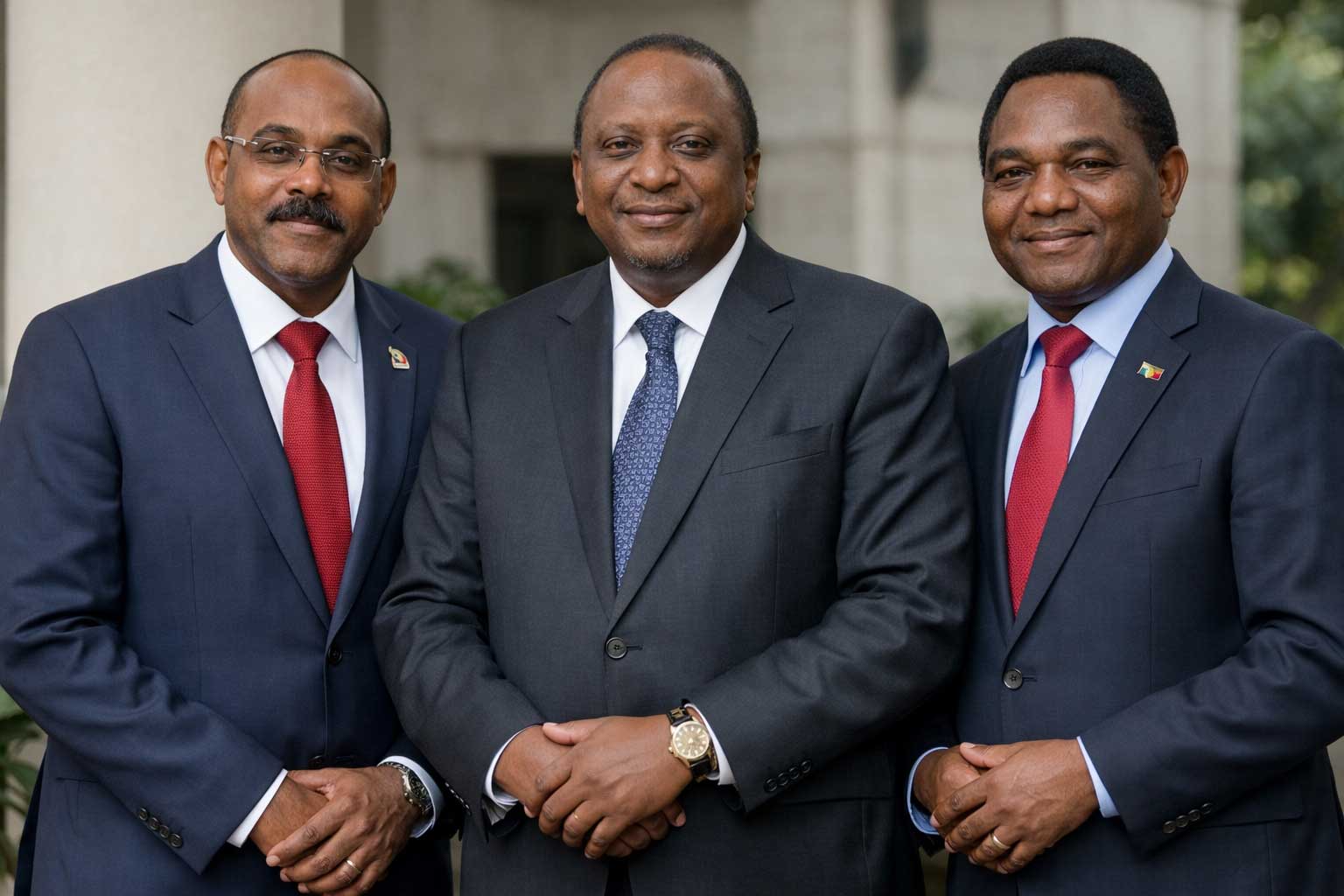
Prime Minister Gaston Browne · Antigua & Barbuda
Prime Minister Gaston Browne — the statesman who positioned Antigua & Barbuda at the center of the New Global Economic Order. Start Video.
In 1944, the world stood at a crossroads.
Nations gathered at the Mount Washington Hotel in Bretton Woods to design a new global economic framework after World War II. But they lacked one essential element:
Technology.
No cryptographic identity.
No blockchain accountability.
No real-time governance.
No citizen participation.
No climate mathematics.
No distributed public ledger.
They built the best system they could — but it was a system limited by the era that produced it.
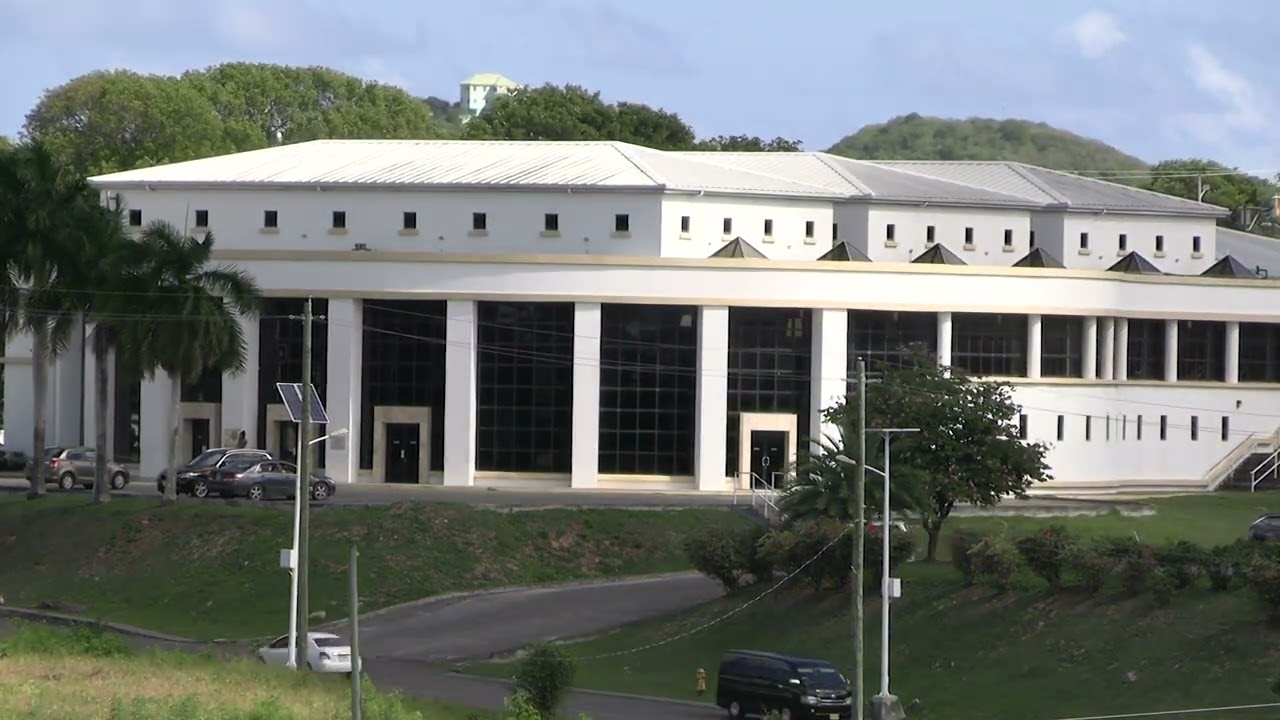
The High Court of Antigua & Barbuda — birthplace of the sovereign civil judgment that activated NEO.
The World Bretton Woods Built — And Its Limits
Bretton Woods gave birth to:
- the IMF
- the World Bank
- the USD reserve era
But it also entrenched:
- opaque governance
- institutional dominance
- structurally engineered inequality
- debt traps for developing nations
- global dependency on a single monetary axis
This framework lasted 80 years. It was stable — but it was not fair.
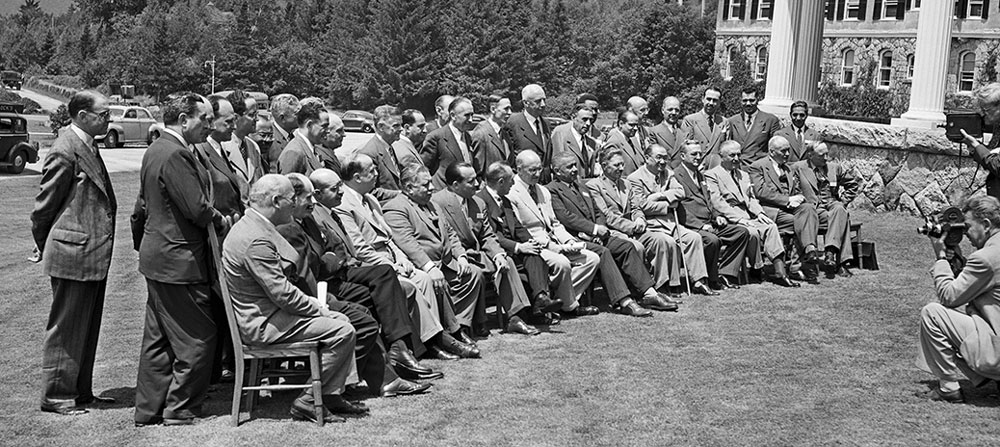
Inside the negotiation rooms of 1944 — where a new global order was drafted without modern tools.
What Bretton Woods Could Not Build
Had the 1944 architects possessed modern tools — blockchain, digital identity, real-time auditing — they would have produced a radically different global order.
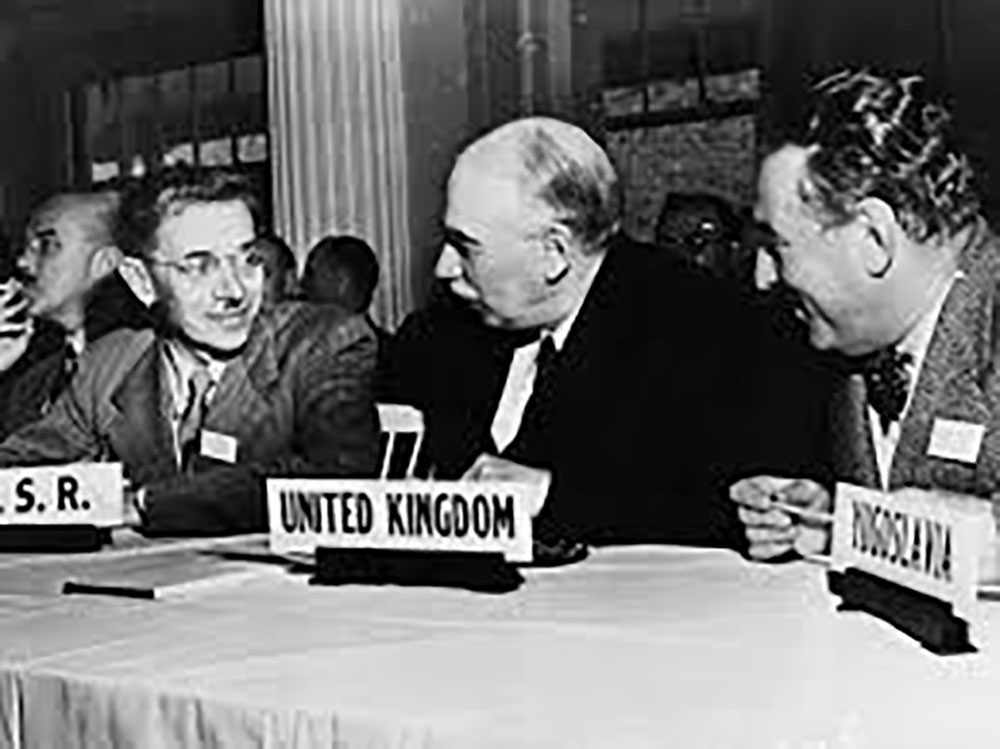
Delegates from the U.S. and USSR — shaping a system that excluded most of humanity.
Instead of secrecy — transparency.
Instead of dominance — shared governance.
Instead of debt — regenerative economics.
Instead of institutions dictating policy — citizens directing outcomes.
The New Bretton Woods Is Not in New Hampshire.
It Is in Antigua.
Today, the SEU • PPVM • NEO architecture represents the economic system the world should have built in 1944 — but finally can build now.
- sovereign
- inclusive
- climate-aligned
- mathematically accountable
- transparent
- citizen-driven
- globally interoperable
And unlike Bretton Woods, this one empowers people — not banks.
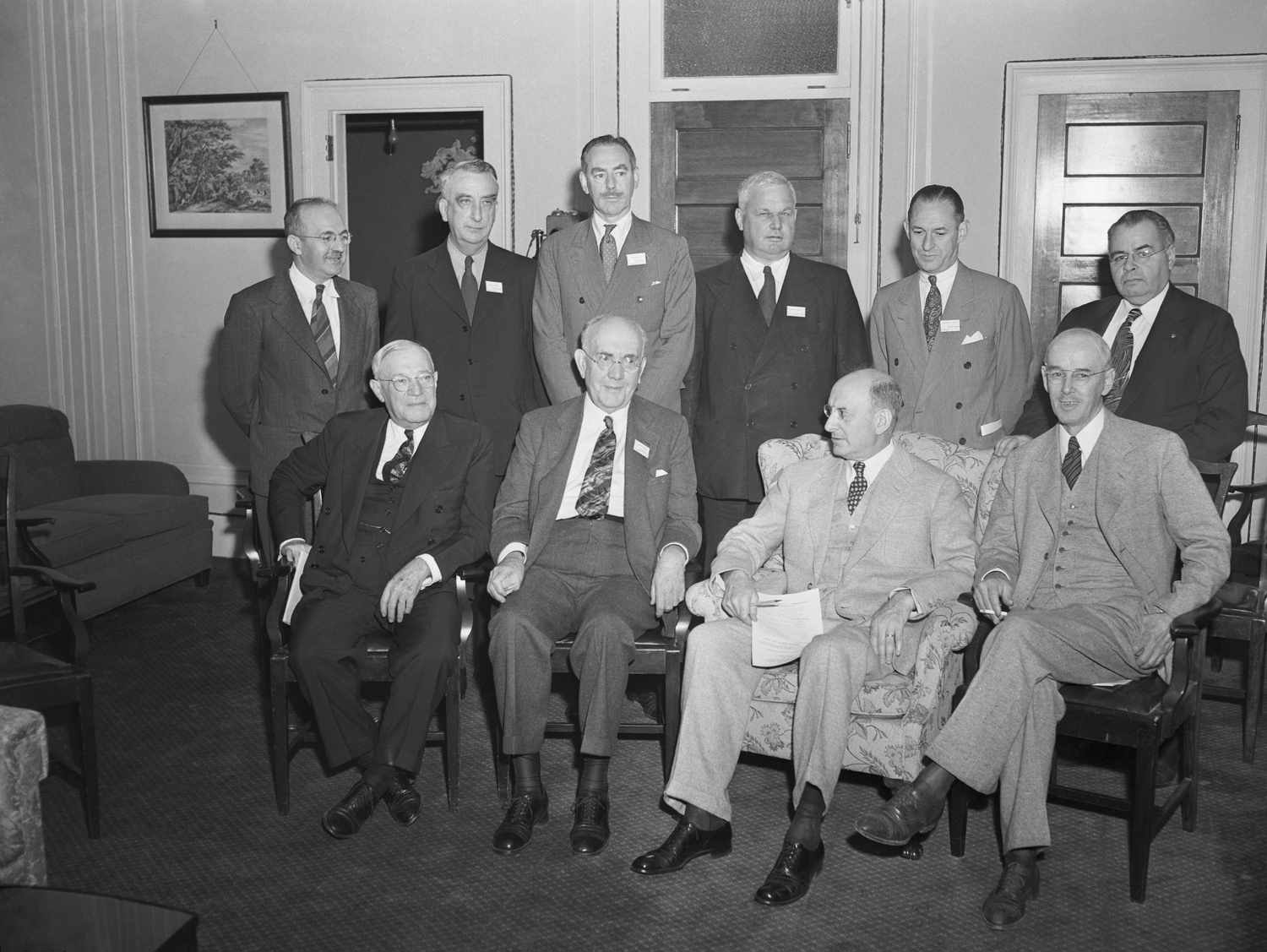
The old order was shaped by a few men. The new order is shaped by billions.
Gaston Browne: The Statesman Who Opened the Door to Bretton Woods 2.0
Prime Minister Gaston Browne recognized the sovereign judgment’s global economic footprint and positioned Antigua & Barbuda as the birthplace of a new participatory world order.
Where the 1944 delegates represented empires, Browne represents citizens.
Where Bretton Woods concentrated power, he redistributed it.
Where the postwar system entrenched inequality, he uplifted the Global South.
The Role of the Sovereign Judgment
The sovereign civil judgment — binding across borders — now functions not as an extraction tool, but as a regenerative economic engine.
- climate benefits for citizens
- public-good development funding
- citizen voting rights
- national infrastructure incentives
- a global participatory economic framework
The World Missed Its Chance in 1944.
We Are Not Missing It Now.
If the Bretton Woods architects had today’s tools, they would have built exactly what is emerging now:
- auditable
- regenerative
- sovereign
- distributed
- inclusive
- climate-aware
- incorruptible
The New Bretton Woods is here.
And this time, it belongs to everyone.