Brad Pitt’s kids ditch his surname – Hannah makes the same move
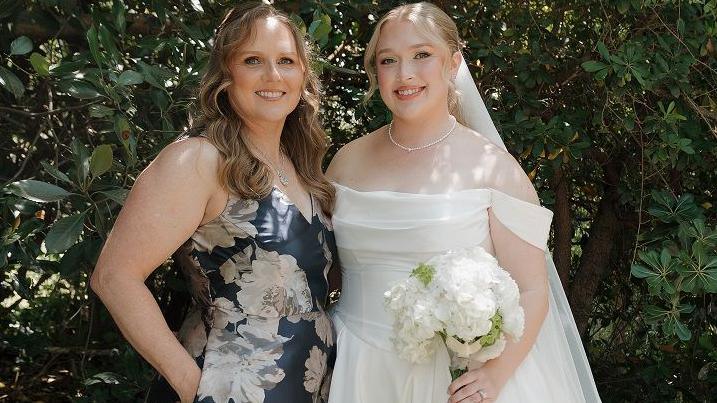
For over a decade Hannah Leonard, a California‑based woman in her twenties, carried two surnames. On social media, phone calls, and restaurant reservations she was known as Hannah Leonard, following her mother’s maiden name. However, legally—at school, in court filings, and on her ID—she bore her father’s surname, a name she had no connection to after her parents divorced when she was a toddler.
The driver that finally pushed her to act was marriage. With her new spouse’s last name in mind, she applied for a change of name, filing paperwork and paying a few hundred dollars. She completed the process in about three months, after paying a $400 filing fee and a $130 cost for local newspaper ads, an “outdated and odd” requirement that she found “so frustrating” at first.
Hannah says she didn’t feel a bond with her father’s name—in fact, it had a profanity in it that schoolmates teased her about. She wanted to move away from that connection and felt that adopting a new name would better reflect the abundance of love that surrounds her life from her mother and her husband.
In a similar high‑profile example, two of Angelina Jolie’s adults adopted children—Zahara Marley and Maddox Chivan—filed paperwork to drop “Pitt” from their surnames last month. They have been using Jolie‑Pitt in professional contexts for some time, and in California they had to publish notices in a local newspaper for four weeks before a judge could approve the final change. A third child, Shiloh, switched to Jolie in 2024.
In the UK, people wishing to change their surname can either file a deed poll themselves for a fee, or take the enrolled deed poll route through the High Court for about £53. Different regions—Northern Ireland and Scotland—have their own procedures and costs. Those under 16 need consents from both parents, while an adult can change their name without their father’s approval.
Changing a name comes with administrative hurdles: updating passports, driving licences, tax records, bank accounts and health providers. Hannah spent a little over three months navigating the California system, and she insists the experience was “so outdated and odd”.
Psychologists and family counsellors say that severing ties via a name change can be a psychological defence mechanism for those who feel alienated from a relative or a family. The act can provide a sense of freedom and help one move beyond painful memories attached to a particular surname.