Bowen: Hamas disarms‑once‑pact offers glimmer for Gaza
There are many reasons why the plan might not work.
At the same time it represents a rare breath of hope, as Hamas has never agreed to disarm before now, giving a chance for diplomatic progress if handled carefully.
The core idea is simple – Hamas would hand over its weapons while Israel pulls out of the 70 per cent of Gaza it occupies. In practice, intense politics, ongoing hostilities and the catastrophically damaged civil environment make implementation exceedingly complex.
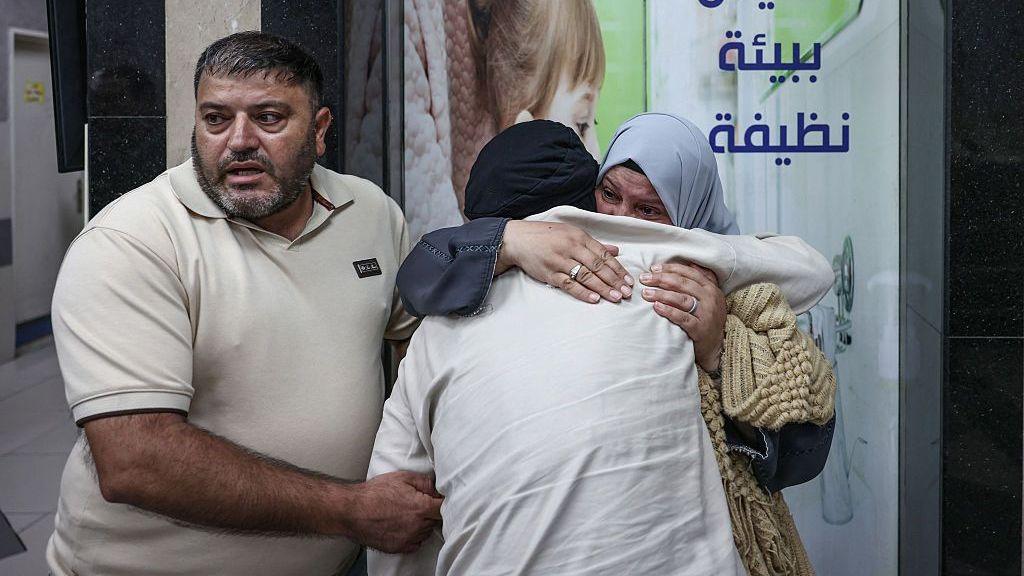
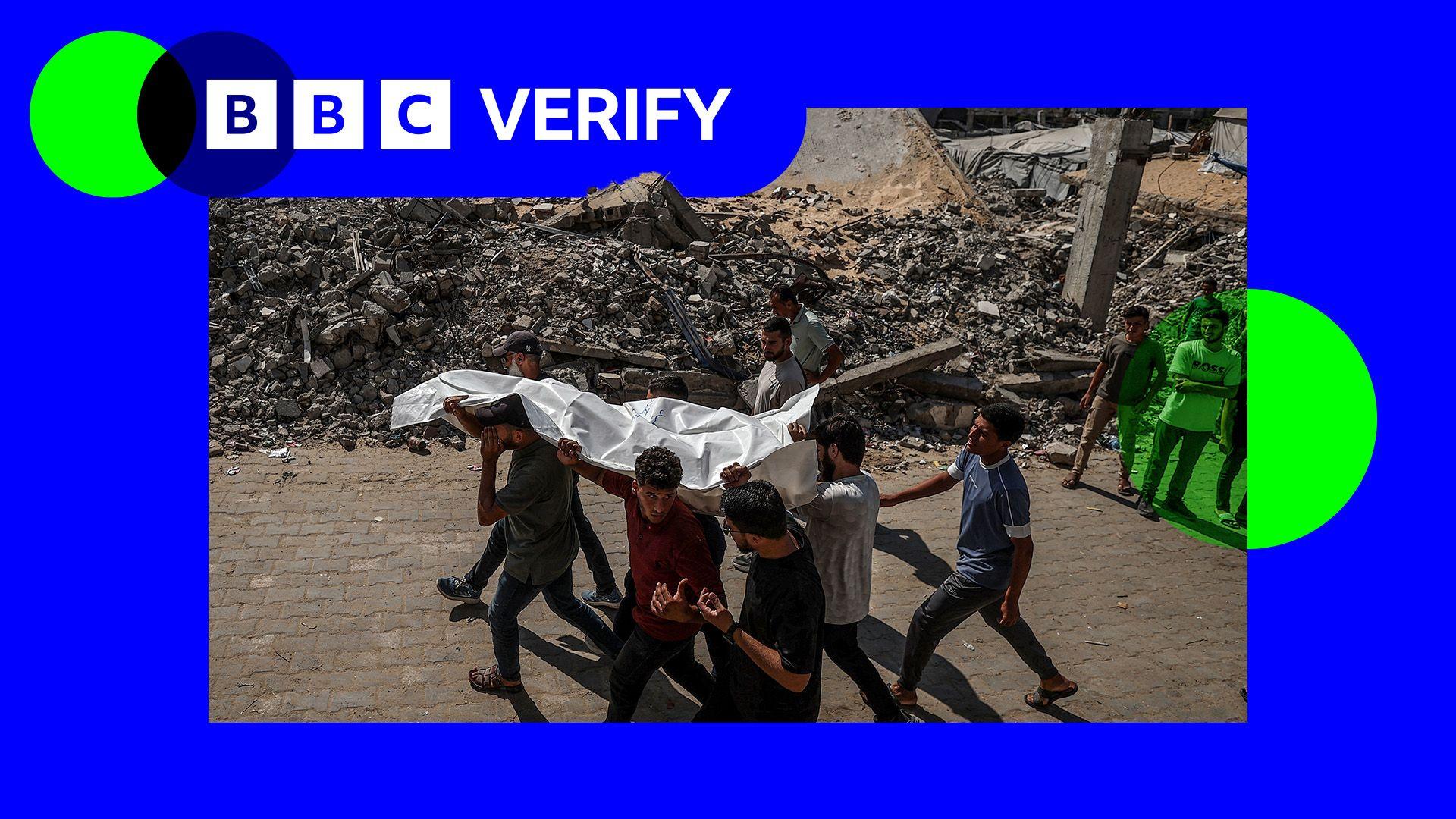
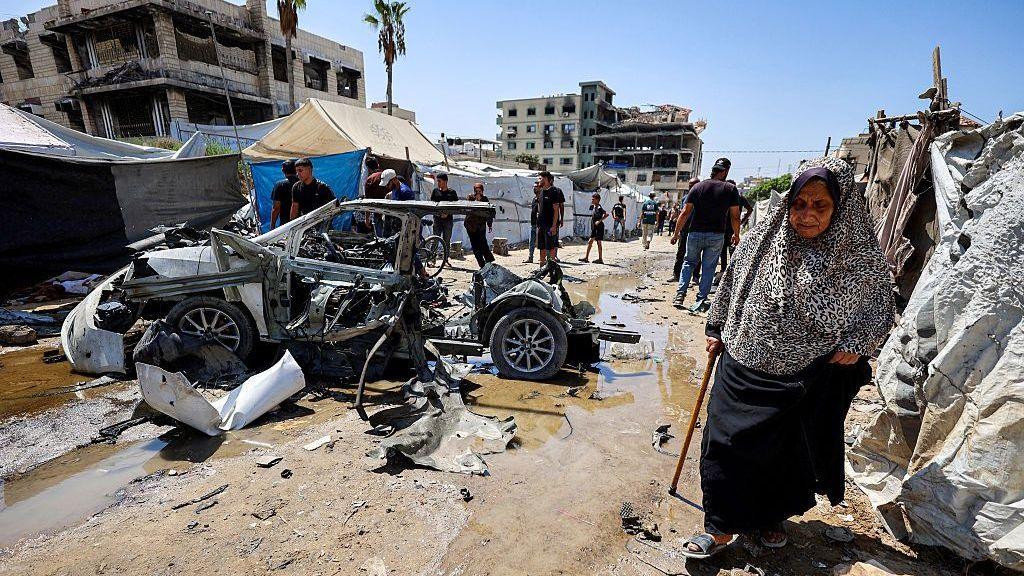
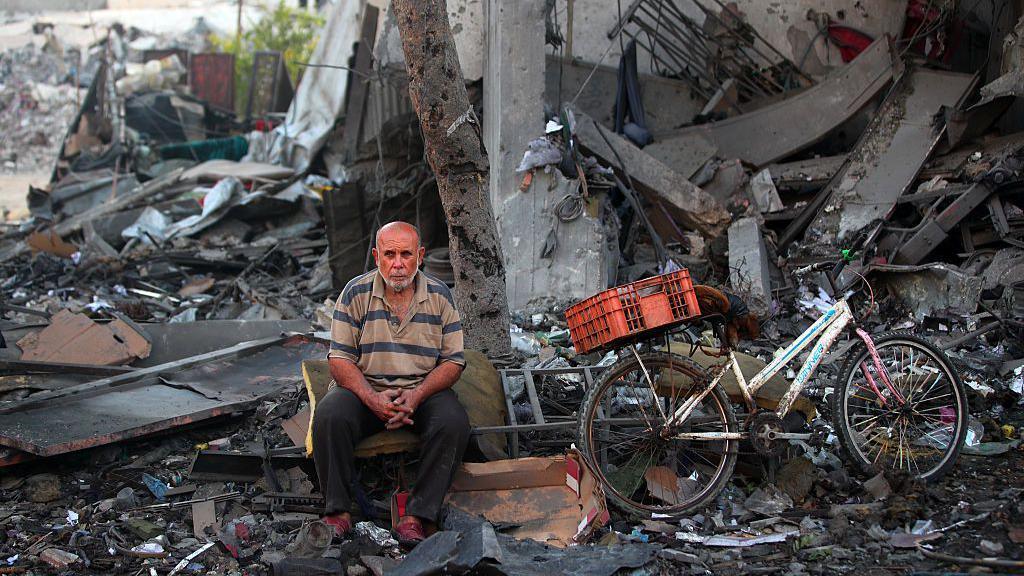
Over two million Palestinian civilians endure catastrophic conditions in Gaza, a territory ravaged by Israeli strikes. More than 70,000 Palestinians were killed during the offensive, with an additional thousand since the ceasefire, according to the Hamas‑run health ministry – figures trusted by the UN – and UNICEF reports over 20,000 child deaths.
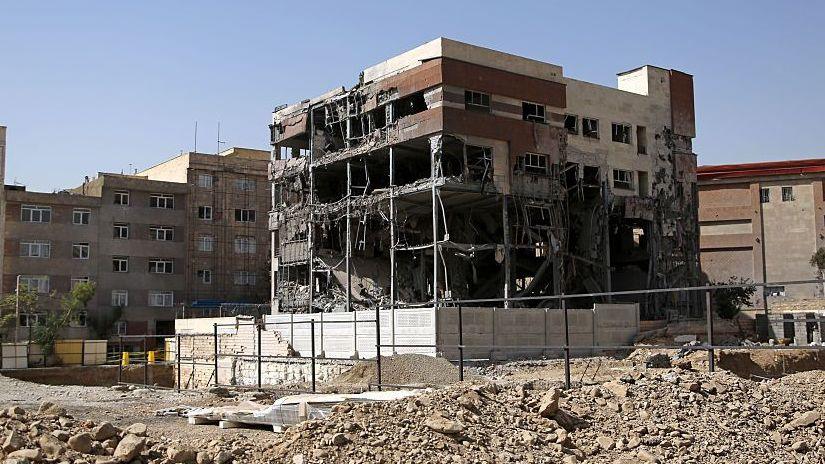
The devastation is not only battlefield damage but a purposeful dismantling programme carried out by contracted Israeli demolition teams, designed to create conditions that many Palestinians feel could force a demographic shift.
From Israel’s perspective, even the strongest majority (c. 80 %) believes Hamas will remain a lethal threat until all its power is removed. The 2023 attack on 7 October resulted in 1,200 Israeli deaths, largely civilians, and 251 hostages taken into Gaza; many Israelis fear a repeat.
Hamas likewise faces heavy pressure: senior staff and thousands of fighters lost, IDF assassinations continue, and internal factions challenge its legitimacy.
The diplomatic push that culminated in the current agreement involved Egyptian and Turkish mediation, as well as the new political leader of Hamas, Khalil al‑Hayya, who lowered opposition to the framework.
The key question: could Israel commit to pulling back if Hamas fully disarms? While Israel has publicly demanded full disarmament as a pre‑condition for withdrawal, the plan remains contingent on a stepped‑forward confidence building process.
Key political dynamics amplify the stakes: Netanyahu’s election campaign, his ongoing corruption trial, and the US’s political calendar. Trump needs a Gaza‑related triumph to strengthen his domestic rally before the November mid‑terms, while Israel’s political carrots and the US’s agenda intersect in a high‑stakes dance.
Bowen urges patience: a step‑by‑step agreement beginning with small, verifiable trust‑building measures is the only realistic chance the plan will survive, avoiding sudden shocks that would derail the peace process. A lasting solution demands a viable Palestinian political horizon, otherwise war endures for another generation.