Berlin Pride Attack: Attacker Freed Weeks Before, Anger Swells
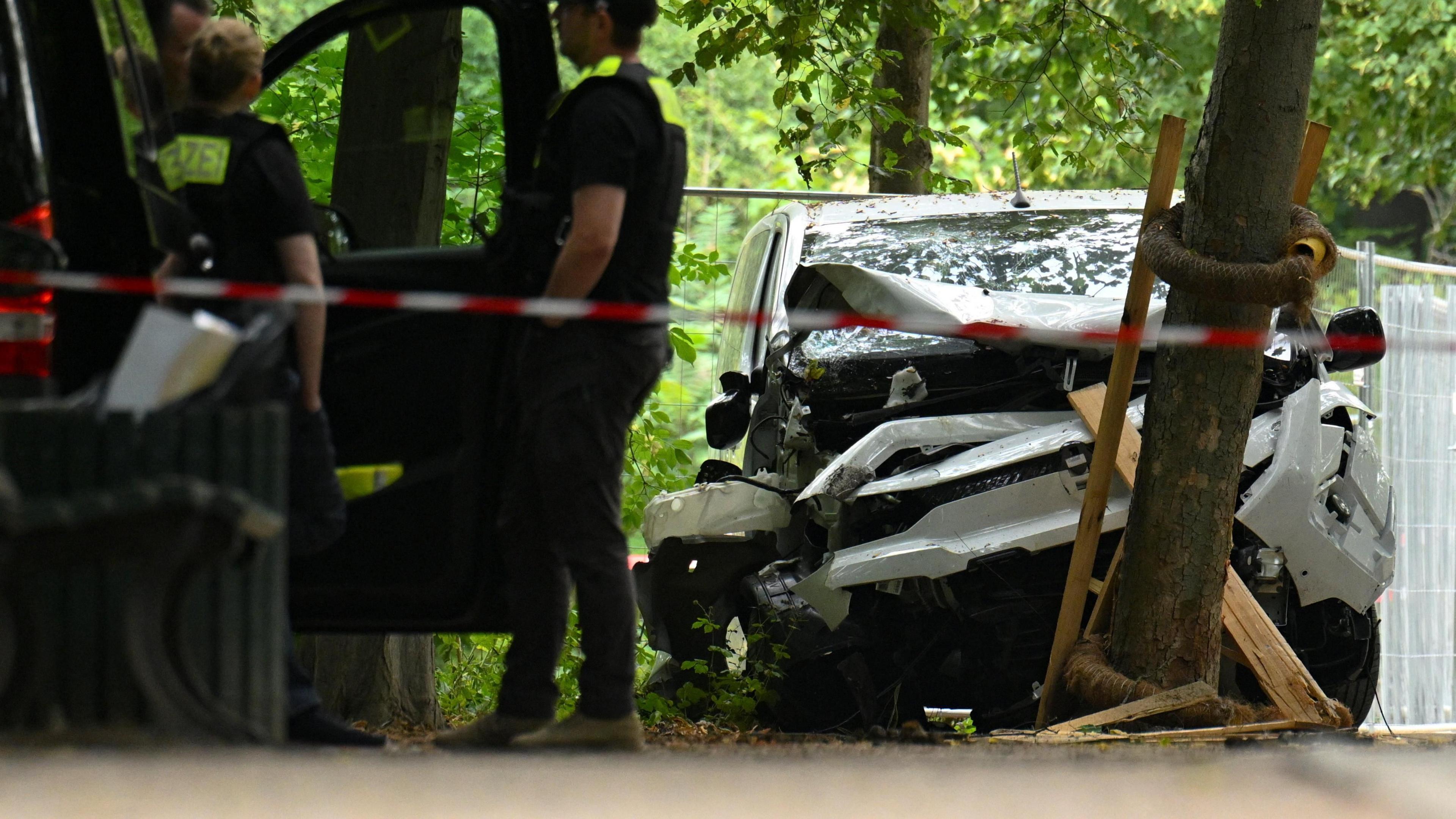
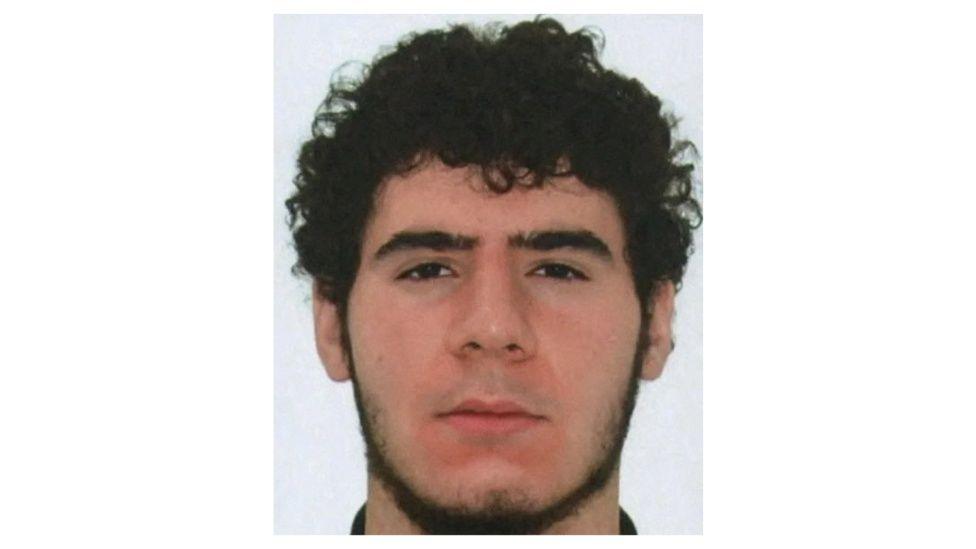
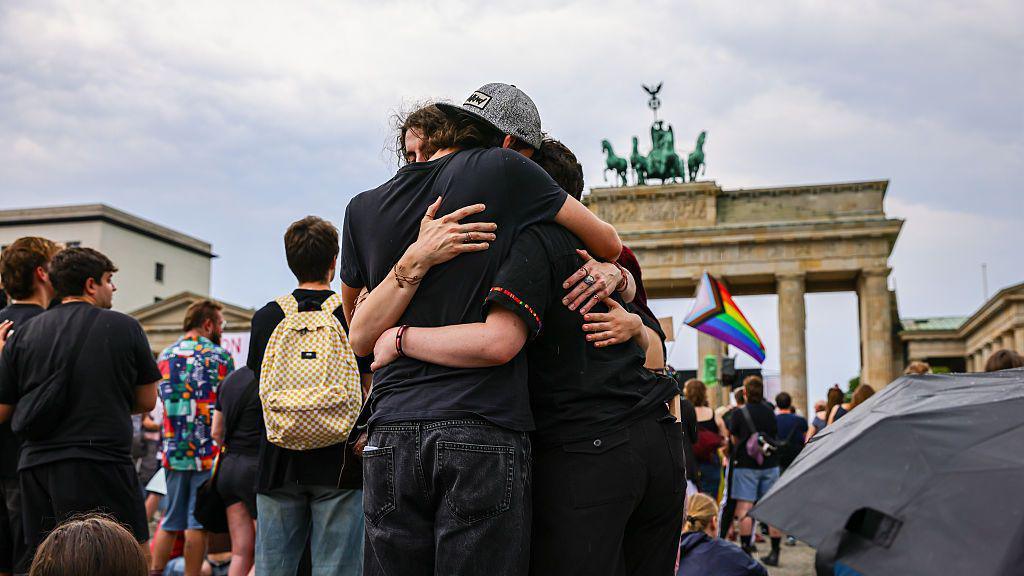
A vehicle rammed into the Berlin Pride parade on Saturday night, killing a Polish woman and wounding at least twenty‑nine others. The main suspect, Abdul Ballout, a 21‑year‑old German citizen of Lebanese heritage, was shot dead by police on Sunday.
Germany’s Interior Minister Alexander Dobrindt said Ballout had “previously drawn attention to himself through a high volume of criminal offences, radicalisation and affiliation with the Islamist scene.” As details of his criminal convictions emerge, many question why he was not in prison.
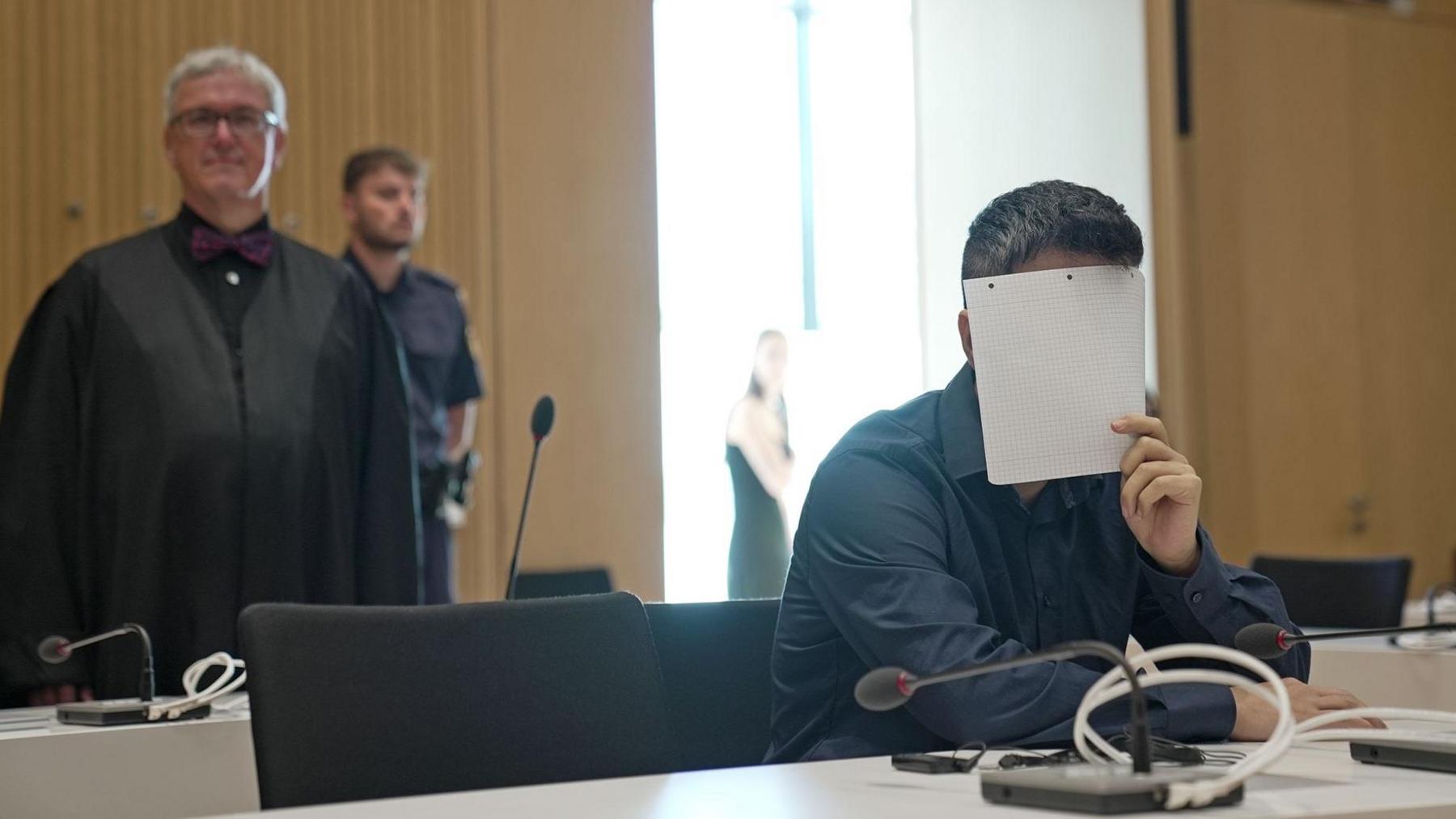
Ballout’s legal history is extensive. In 2025 he attempted to join the Islamic State’s armed struggle in Syria, traveled via Turkey to Lebanon, and was subsequently arrested there in July, receiving a three‑month sentence for incitement to religious and sectarian conflict. He returned to Germany in November, was held in pre‑trial detention, and in May was sentenced to one year and ten months under juvenile law for “preparing a serious act of violence endangering the state.” The sentence was suspended while prosecutors appealed for a longer term, leading to his release and supervision by a probation officer.
The decision spurred criticism from high‑profile figures. Berlin’s governing mayor Keller said he was “dumbstruck at the way the Berlin judiciary had handled Ballout’s case.” The far‑right Alternative for Germany (AfD) party branded the attack a failure of security policy, demanding a thorough investigation into why the suspect could move freely.
Experts argue that Germany’s terrorism laws and juvenile justice system are too lenient. Peter Neumann of King’s College London said sentences are too short by European standards, and called for a rethink of the system’s emphasis on education over public protection. Social Democrats’ spokesperson Sebastian Fiedler highlighted gaps in post‑release monitoring, asking why Ballout remained at large despite supervision.
Germany’s Chancellor Friedrich Merz pledged action, promising that those classified as threats would be denied freedom of movement “as much as possible.” He urged interior authorities to review monitoring jurisdiction and enhance the ability to track mobile phones worldwide.