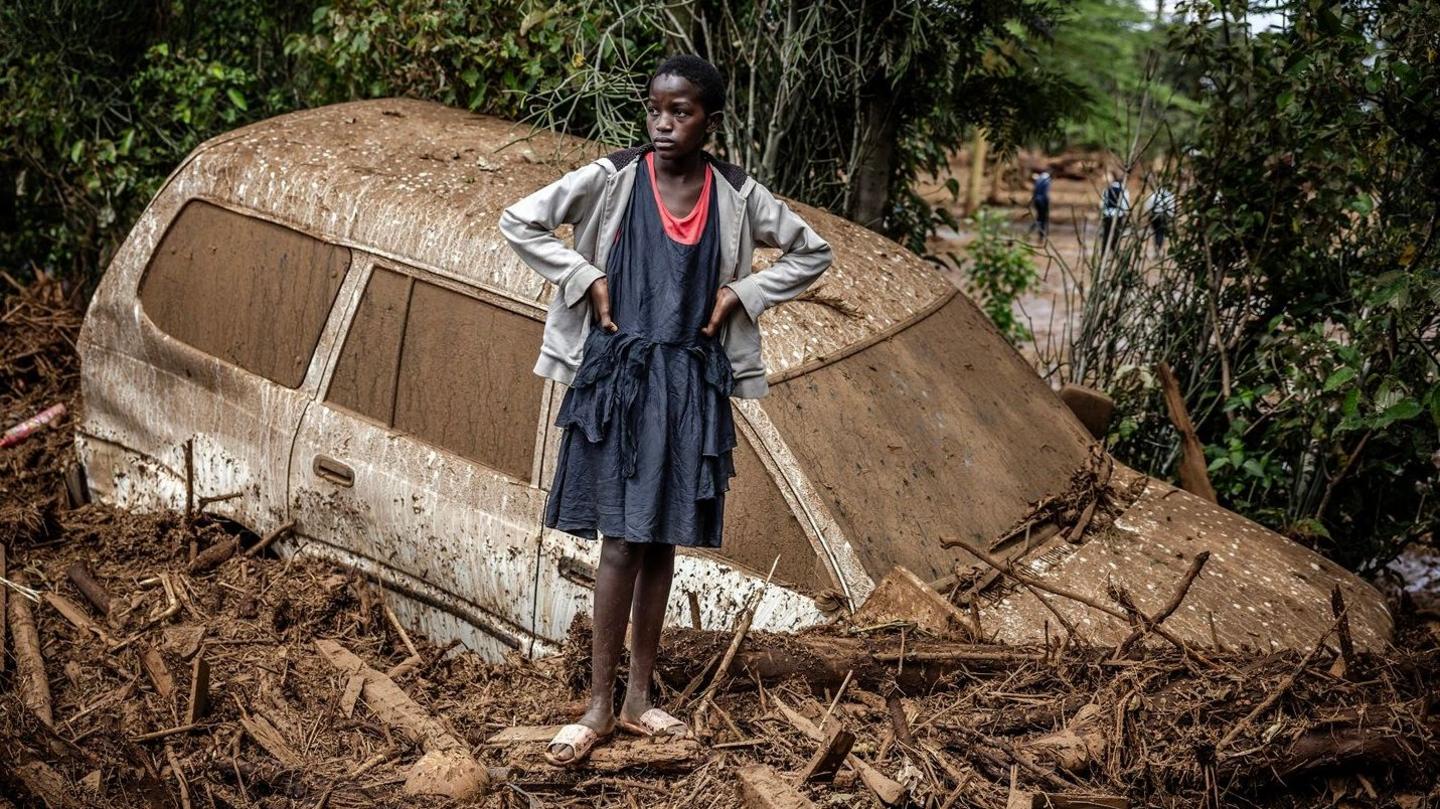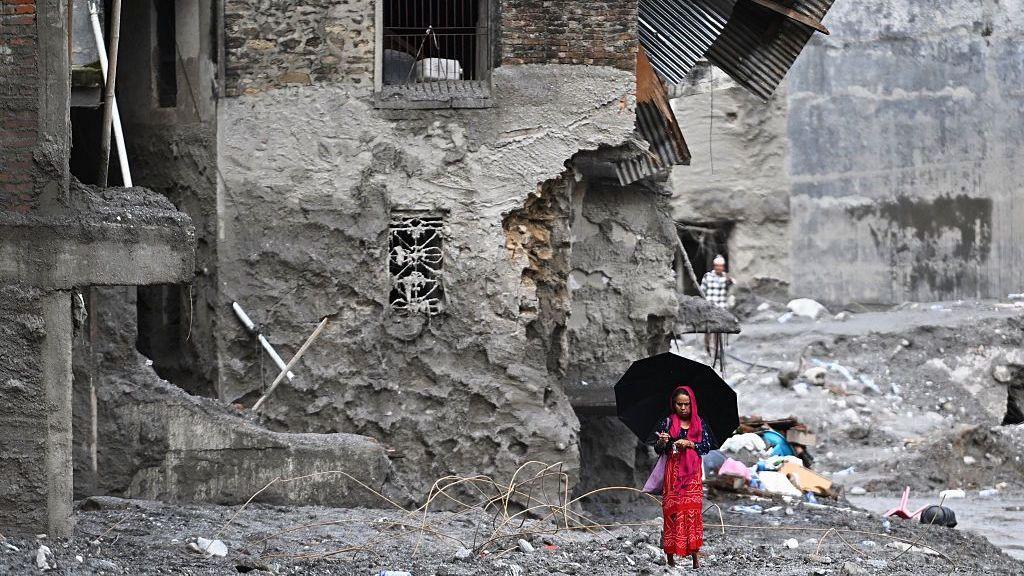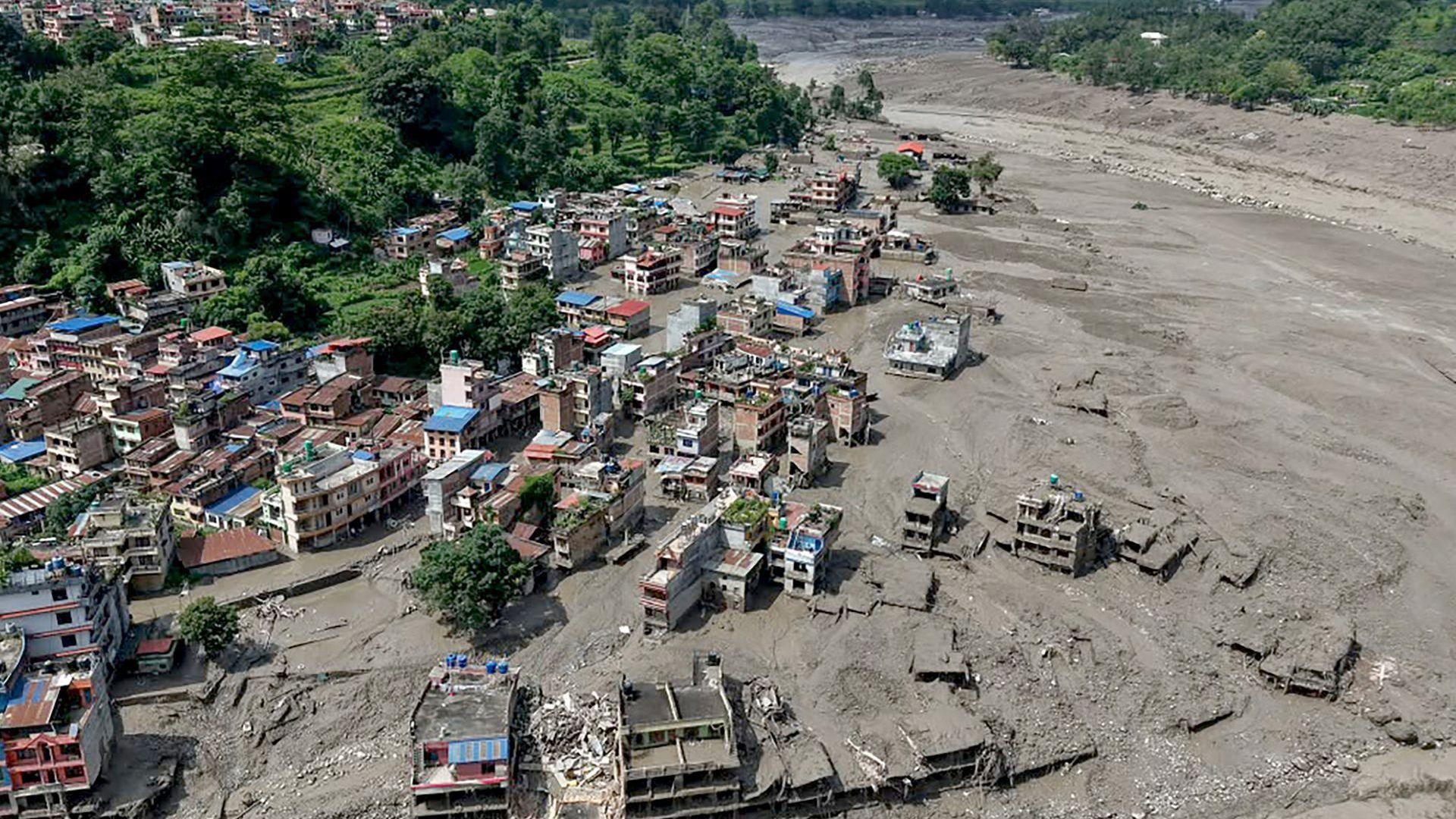
Since mid‑July, Bangladesh has suffered a brutal onslaught of heavy rains that have turned rivers into torrents, caused flash floods and triggered deadly landslides.
At least 51 people have been killed, while more than 1 million people have been affected – many losing homes and seeking refuge in government shelters.
The toll is most severe in Cox’s Bazar, which hosts the world’s largest Rohingya refugee camp. Twenty‑eight deaths have already been reported in that district, a figure that includes a tragic incident where flood waters swept students and a teacher away from a school.
Bangladesh is a low‑lying nation with a network of rivers that make it highly susceptible to flooding during the annual monsoon. Experts warn that climate change is now making rainfall increasingly intense and erratic, amplifying the vulnerability of communities.
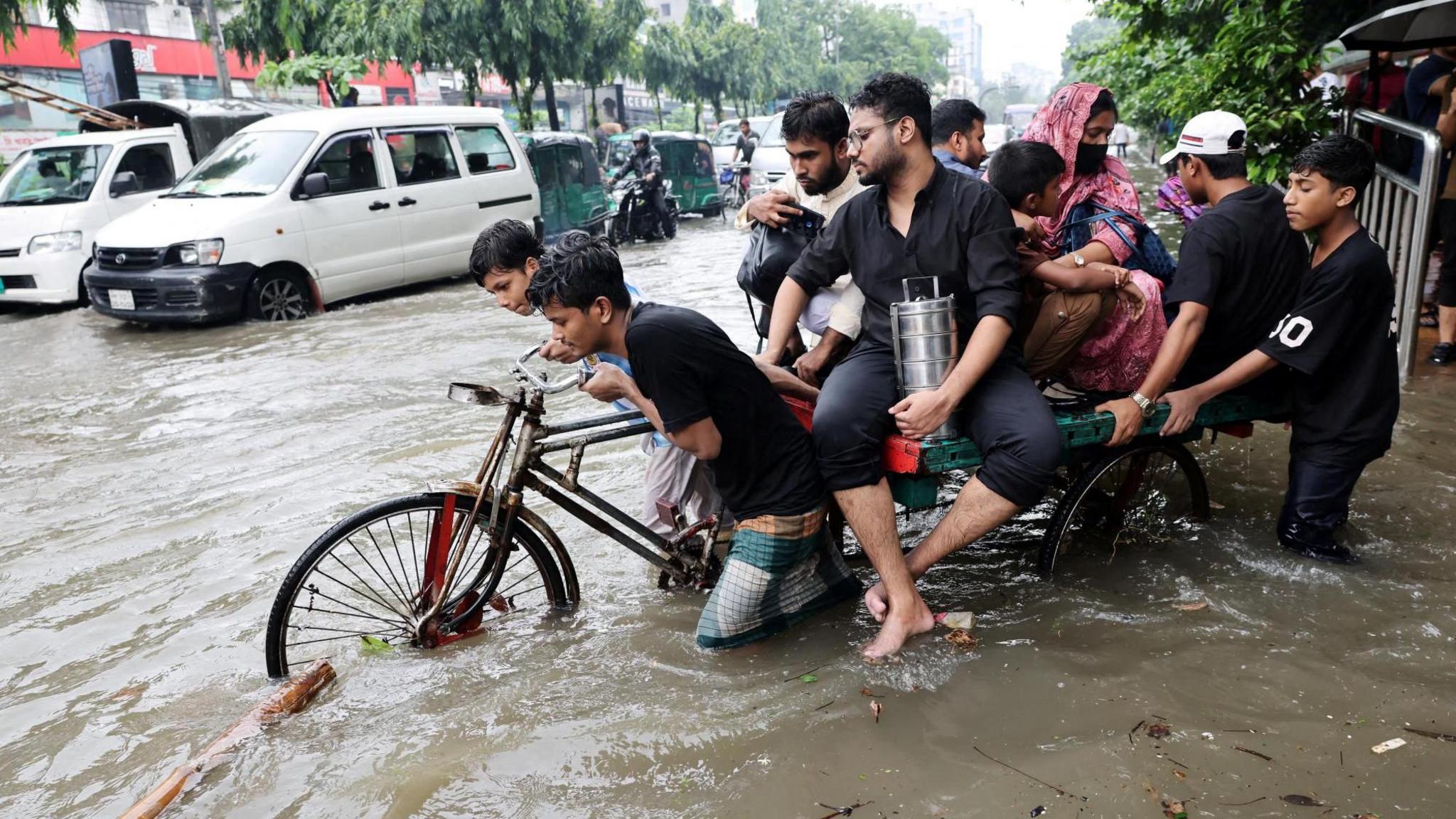
Since the rains began more than a week ago, the government has issued warnings, evacuated high‑risk families, postponed student exams and opened emergency shelters. Communities in Dhaka have reported water up to knee level on streets, forcing traffic to slow and prompting criticism of the country’s drainage systems.
Data from the Flood Forecasting and Warning Centre indicate that the situation in the southeast is likely to improve soon. However, the monsoon continues to affect the northern and northeastern regions of the country, raising the possibility that flooding and landslides could worsen before the rains subside.
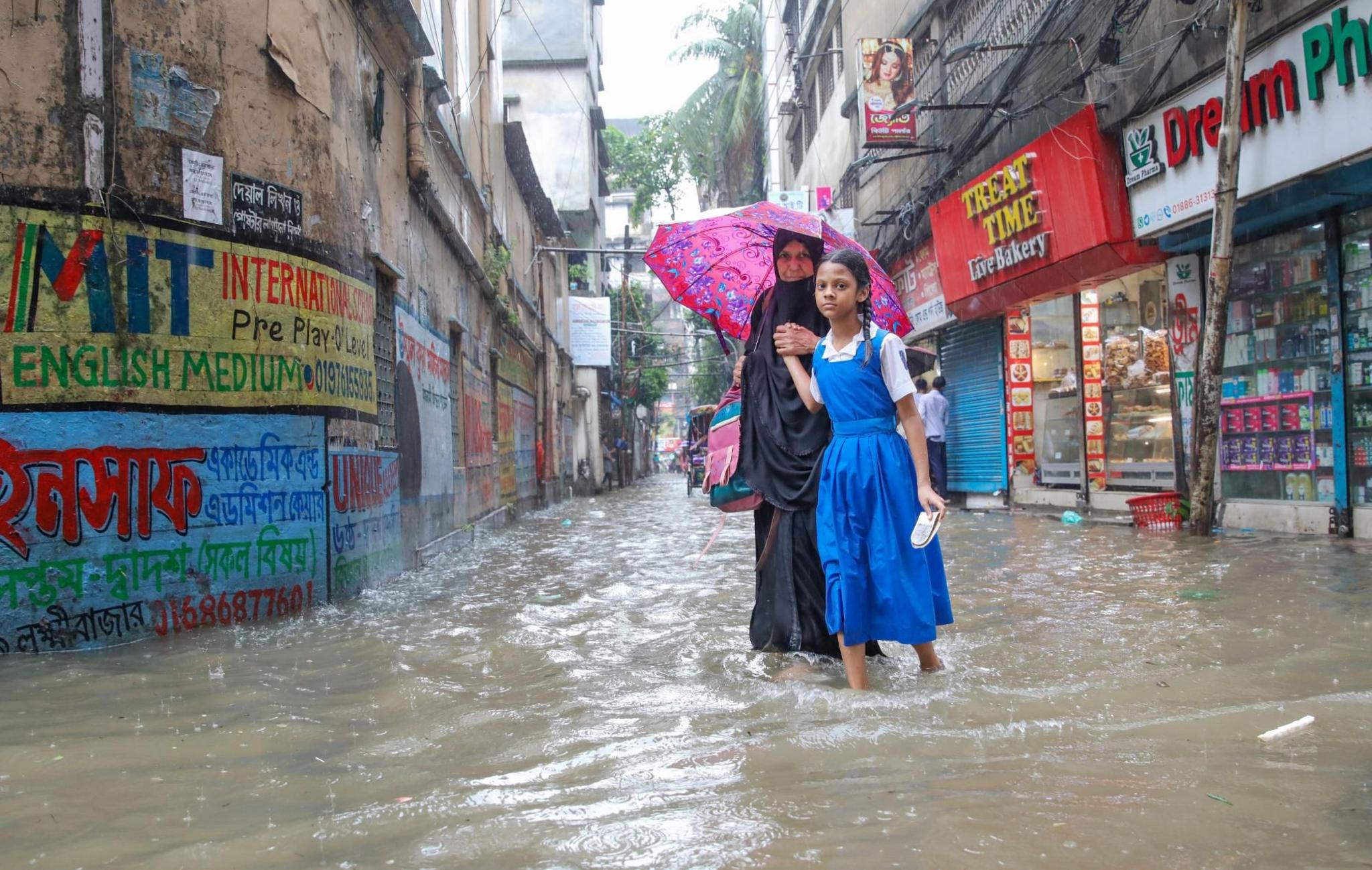
As of Sunday, authorities confirm that over 1 million people have been impacted, underscoring the urgent need for international aid and effective flood‑management strategies as Bangladesh battles the monsoon’s worst wrath yet.