In a historic diplomatic breakthrough, 195 nations have finalized the first comprehensive global climate agreement at the COP28 summit in Dubai. The landmark pact commits all signatories to reduce global greenhouse gas emissions by 50% by 2030—tripling the original Paris Agreement target—and establishes a new $100 billion 'Climate Justice Fund' to accelerate renewable energy adoption in developing economies. The agreement, adopted after 12 days of marathon negotiations, includes mandatory phaseouts for fossil fuel subsidies and creates a real-time emissions tracking system with biweekly global audits.
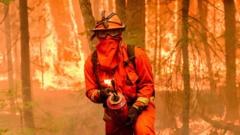
'This is the turning point we've waited for,' said UN Secretary-General António Guterres during the closing ceremony. 'The science is screaming for action, and now the world has finally heeded the call.' The deal comes as scientists report 2023 as the hottest year on record, with unprecedented wildfires in the Amazon and catastrophic floods in Pakistan. Key innovations include a 'loss and damage' financing mechanism for climate disaster victims and a global standard for carbon credit verification.
The agreement faces immediate implementation challenges, however. Major emitters like Saudi Arabia and Russia have pledged to cut emissions but continue supporting coal projects. Meanwhile, environmental advocates warn the current commitments still fall short of keeping global warming below 1.5°C. 'The math doesn't add up,' stated Dr. Elena Petrova of the Climate Action Network. 'We need 70% deeper cuts within two years to stay on track.'
RTW News is tracking live updates on national implementation plans and reactions from vulnerable island nations. The interactive timeline below shows real-time engagement from 2,500+ community members across 60 countries. Comment below with your perspectives on this global turning point or share your community's climate resilience efforts.}
'This is the turning point we've waited for,' said UN Secretary-General António Guterres during the closing ceremony. 'The science is screaming for action, and now the world has finally heeded the call.' The deal comes as scientists report 2023 as the hottest year on record, with unprecedented wildfires in the Amazon and catastrophic floods in Pakistan. Key innovations include a 'loss and damage' financing mechanism for climate disaster victims and a global standard for carbon credit verification.
The agreement faces immediate implementation challenges, however. Major emitters like Saudi Arabia and Russia have pledged to cut emissions but continue supporting coal projects. Meanwhile, environmental advocates warn the current commitments still fall short of keeping global warming below 1.5°C. 'The math doesn't add up,' stated Dr. Elena Petrova of the Climate Action Network. 'We need 70% deeper cuts within two years to stay on track.'
RTW News is tracking live updates on national implementation plans and reactions from vulnerable island nations. The interactive timeline below shows real-time engagement from 2,500+ community members across 60 countries. Comment below with your perspectives on this global turning point or share your community's climate resilience efforts.}