Apple Launches its First Foldable iPhone – A High‑End Gamble
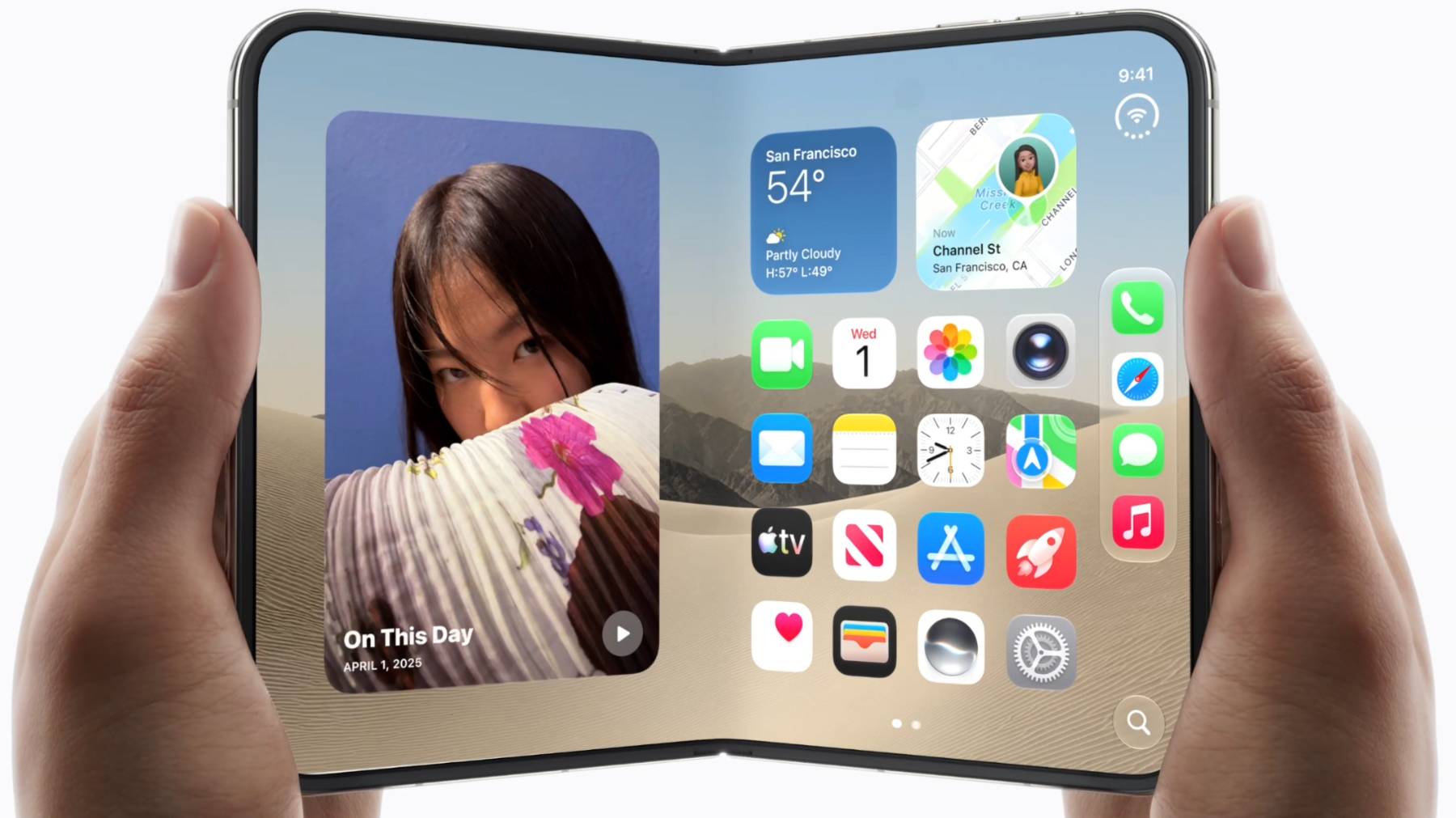
Apple has introduced its most expensive handset to date, the iPhone Duo, a foldable device that costs a minimum of £1,999 (US$1,999) and marks the first major design shift in the company’s flagship line in almost twenty years.
The launch came under the stewardship of new chief executive John Ternus, who replaced Tim Cook earlier this month. Ternus announced in Cupertino that Apple’s new foldable redefines the user experience, in contrast to existing solutions from Samsung and Huawei that view foldables as “two phones awkwardly stuck together.”
The iPhone Duo was built over eight years of research and development, with Ternus personally overseeing the process. When unfolded, the device resembles a small iPad; when folded, it measures roughly the size of a passport and can be comfortably held with one hand.
Analysts say the foldable will likely remain a premium‑priced niche product, capturing only a small fraction of the global smartphone market. Ben Wood of FDM CCS Insight predicts sales will reach about 4% of the total market in a decade, while the overall foldable segment currently stands at just 2% of smartphone sales.
Apple also announced the iPhone 18 Pro and 18 Pro Max, starting at $1,199 and $1,299 respectively, alongside a new Siri AI that promises on‑device privacy and deep integration into the iPhone 18 series and future Apple Watch models.
In a press briefing, Ternus emphasized that all AI‑driven features would run on device or in a private remote server to preserve user privacy, stating that “not even Apple can access what’s yours.”
Industry insiders note that the foldable market is dominated by Chinese manufacturers, with Huawei holding nearly 80% of the segment. Despite this, Apple’s entry could be a catalyst for broader consumer interest.
The company’s elevated price point has drawn comparisons to its Vision Pro headset, which also faced limited commercial success. Analysts are divided over whether the iPhone Duo will redirect Apple’s focus toward the Apple Watch, where millions already purchase annually.
Apple’s ancient brand of bootstrapping innovation shows its willingness to pack high-end features into durable devices that support a growing ecosystem of AI and privacy‑centric tools.