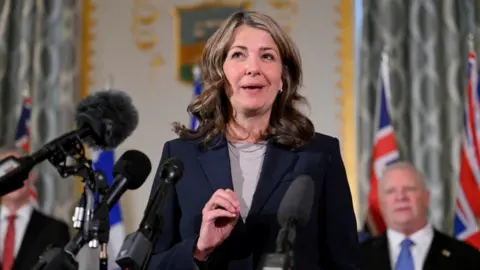
In a seismic shift for Canadian unity, Alberta Premier Danielle Smith has announced a binding referendum on whether the province should separate from Canada, setting the stage for a historic political earthquake. The vote, scheduled for October 19, 2026, follows months of escalating pressure from separatists who argue Alberta has been 'systematically ignored' by Ottawa despite its $138 billion annual contributions to the national economy. Smith's decision comes after a citizen-led petition demanding separation garnered over 300,000 signatures, while a counter-petition urging retention collected more than 400,000.
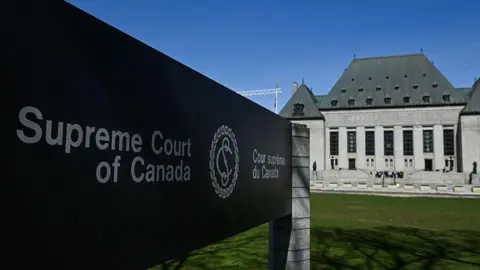
'Alberta's future will be decided by Albertans, not the courts,' Smith declared during her televised announcement, vowing to bypass a recent ruling that voided the separatist petition due to insufficient consultation with Indigenous groups. The premier, who will personally vote against separation, called the court decision a 'legal mistake' that 'muzzles the voices of hundreds of thousands.' Her stance contrasts sharply with separatist lawyer Jeffrey Rath, who accused Smith of 'dealing a referendum question from the bottom of the deck' and 'losing her base.'
The referendum question itself presents a stark dilemma: 'Should Alberta remain a province of Canada or should the Government of Alberta commence the legal process required under the Canadian Constitution to hold a binding provincial referendum on whether or not Alberta should separate from Canada?' While opinion polls suggest a majority would reject separation, the movement is fueled by deep resentment over federal energy policies. Albertans, particularly in oil-rich regions, argue Ottawa has 'centralized power' to the detriment of provincial autonomy, with Premier Smith declaring federal 'attempts to move toward an American-style system' have 'damaged our country economically.'
The timing of the vote is critical: Canada's unity faces its most profound test since Quebec's 1995 referendum. Prime Minister Mark Carney stressed that any separation would require strict adherence to the Clarity Act, which mandates a clear majority and federal oversight. However, Smith insists separation is non-negotiable for many Albertans: 'We have more in common with America than the rest of Canada,' said separatist Jeffrey Rath in recent interviews. Meanwhile, Canada's Minister of Internal Trade Dominic Leblanc reaffirmed 'a stronger Canada for all' through collaboration, while Conservative leader Pierre Poilievre vowed to 'campaign every day to unite this country around hope.'
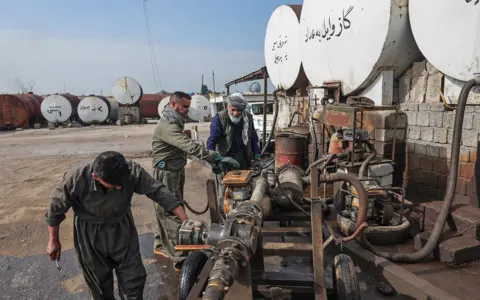
The referendum carries profound implications for energy policy and Indigenous rights, with Alberta's vast oil reserves potentially at stake if separation proceeds. As Smith confronts a province split between fiscal pragmatism and nationalist fervor, Canada braces for what Prime Minister Carney called a 'difficult but necessary' reckoning with its federal structure.}
'Alberta's future will be decided by Albertans, not the courts,' Smith declared during her televised announcement, vowing to bypass a recent ruling that voided the separatist petition due to insufficient consultation with Indigenous groups. The premier, who will personally vote against separation, called the court decision a 'legal mistake' that 'muzzles the voices of hundreds of thousands.' Her stance contrasts sharply with separatist lawyer Jeffrey Rath, who accused Smith of 'dealing a referendum question from the bottom of the deck' and 'losing her base.'
The referendum question itself presents a stark dilemma: 'Should Alberta remain a province of Canada or should the Government of Alberta commence the legal process required under the Canadian Constitution to hold a binding provincial referendum on whether or not Alberta should separate from Canada?' While opinion polls suggest a majority would reject separation, the movement is fueled by deep resentment over federal energy policies. Albertans, particularly in oil-rich regions, argue Ottawa has 'centralized power' to the detriment of provincial autonomy, with Premier Smith declaring federal 'attempts to move toward an American-style system' have 'damaged our country economically.'
The timing of the vote is critical: Canada's unity faces its most profound test since Quebec's 1995 referendum. Prime Minister Mark Carney stressed that any separation would require strict adherence to the Clarity Act, which mandates a clear majority and federal oversight. However, Smith insists separation is non-negotiable for many Albertans: 'We have more in common with America than the rest of Canada,' said separatist Jeffrey Rath in recent interviews. Meanwhile, Canada's Minister of Internal Trade Dominic Leblanc reaffirmed 'a stronger Canada for all' through collaboration, while Conservative leader Pierre Poilievre vowed to 'campaign every day to unite this country around hope.'
The referendum carries profound implications for energy policy and Indigenous rights, with Alberta's vast oil reserves potentially at stake if separation proceeds. As Smith confronts a province split between fiscal pragmatism and nationalist fervor, Canada braces for what Prime Minister Carney called a 'difficult but necessary' reckoning with its federal structure.}