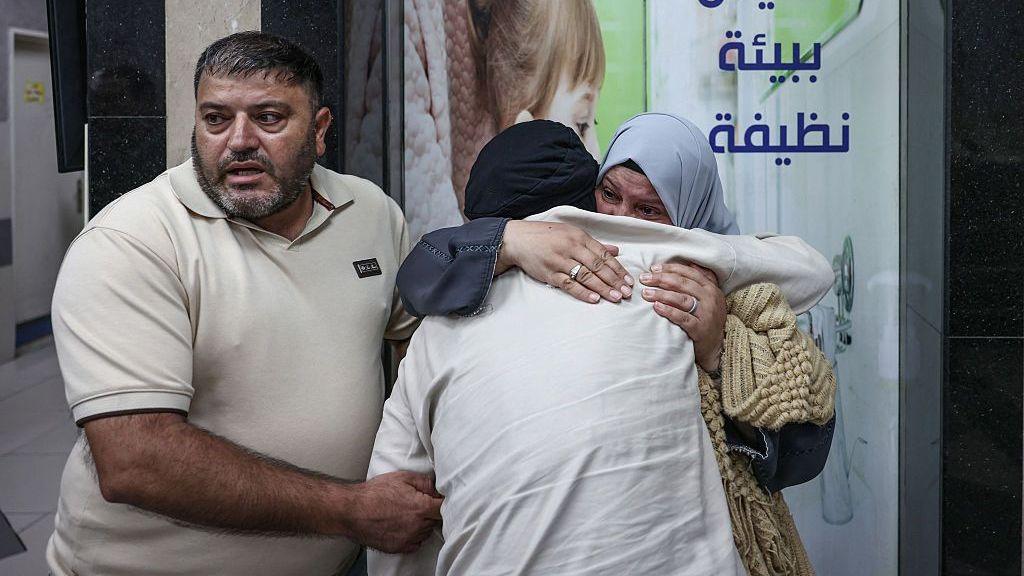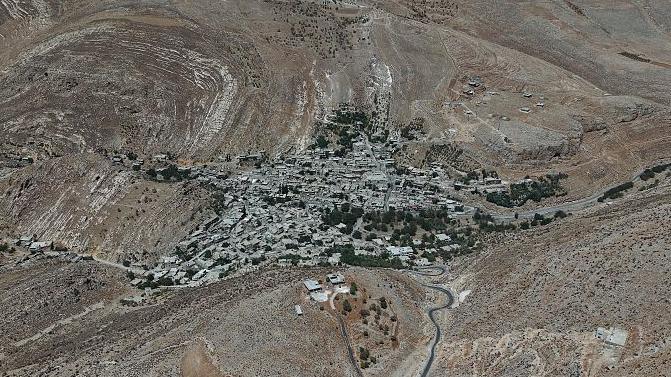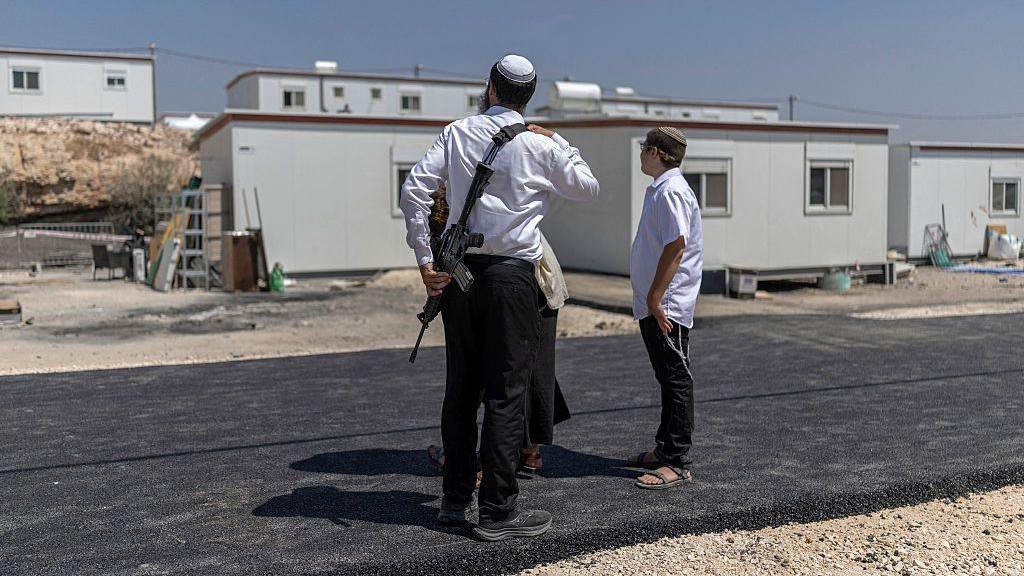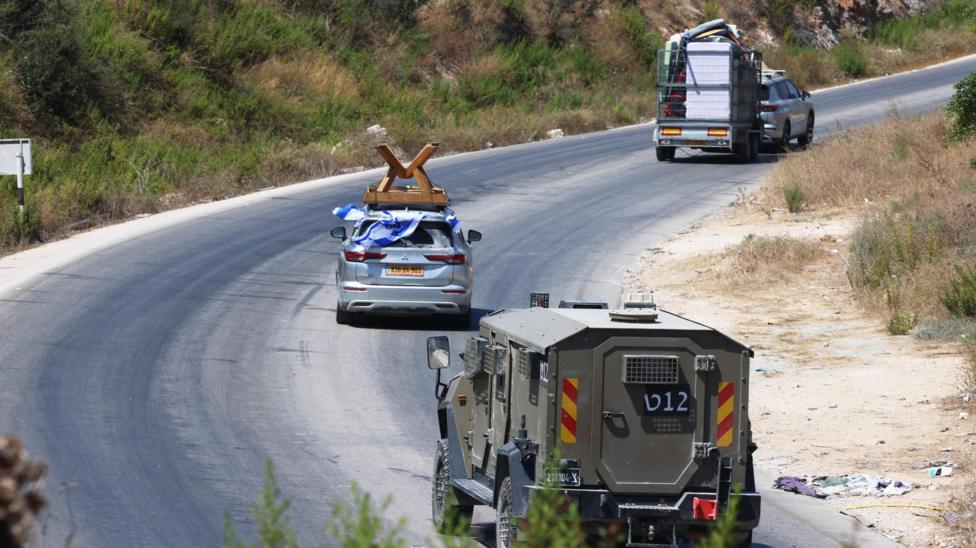
Activists from local groups have entered the blockaded village of Qusra to drop essential supplies outside Palestinian homes that have been tightly surrounded by Israeli settlers for the past few days.
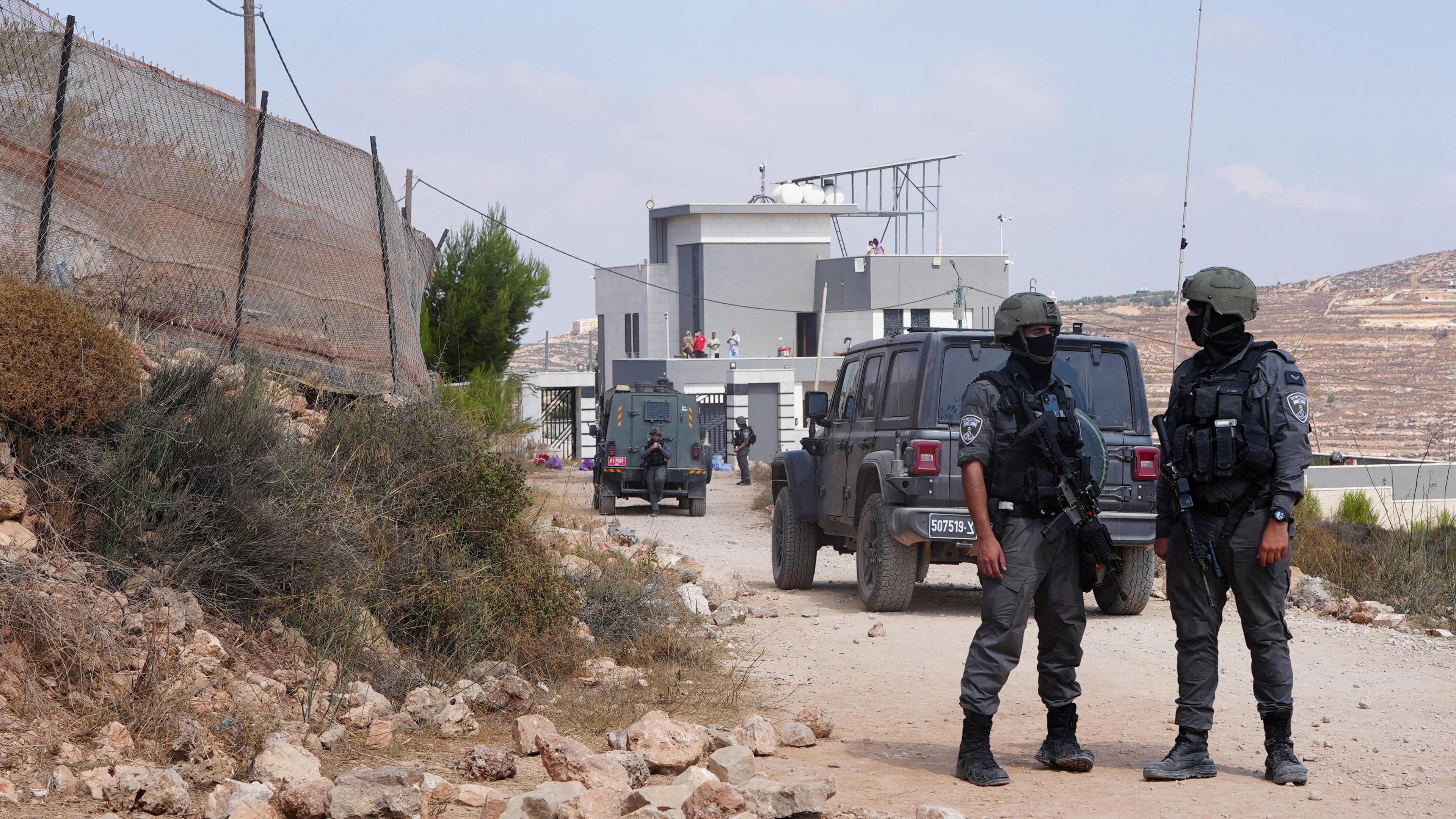
Since Sunday, settlers cut the streets leading to the families’ gates and severed electricity and water to the three households that belong to the Abu Ridi and Hassan families. Two residents reported that Israeli soldiers prevented the activists from delivering food and water directly inside, so the aid was left in the courtyards.
The Israeli Defence Forces (IDF) later stated that Qusra was a “closed military zone” and that civilian presence was disallowed, yet they claimed the activists were not barred from transferring aid. However, a week after an earlier dispersal operation the settler group erected a tent in the area, only to have it removed by troops while the residents were claimed ‘protected’.
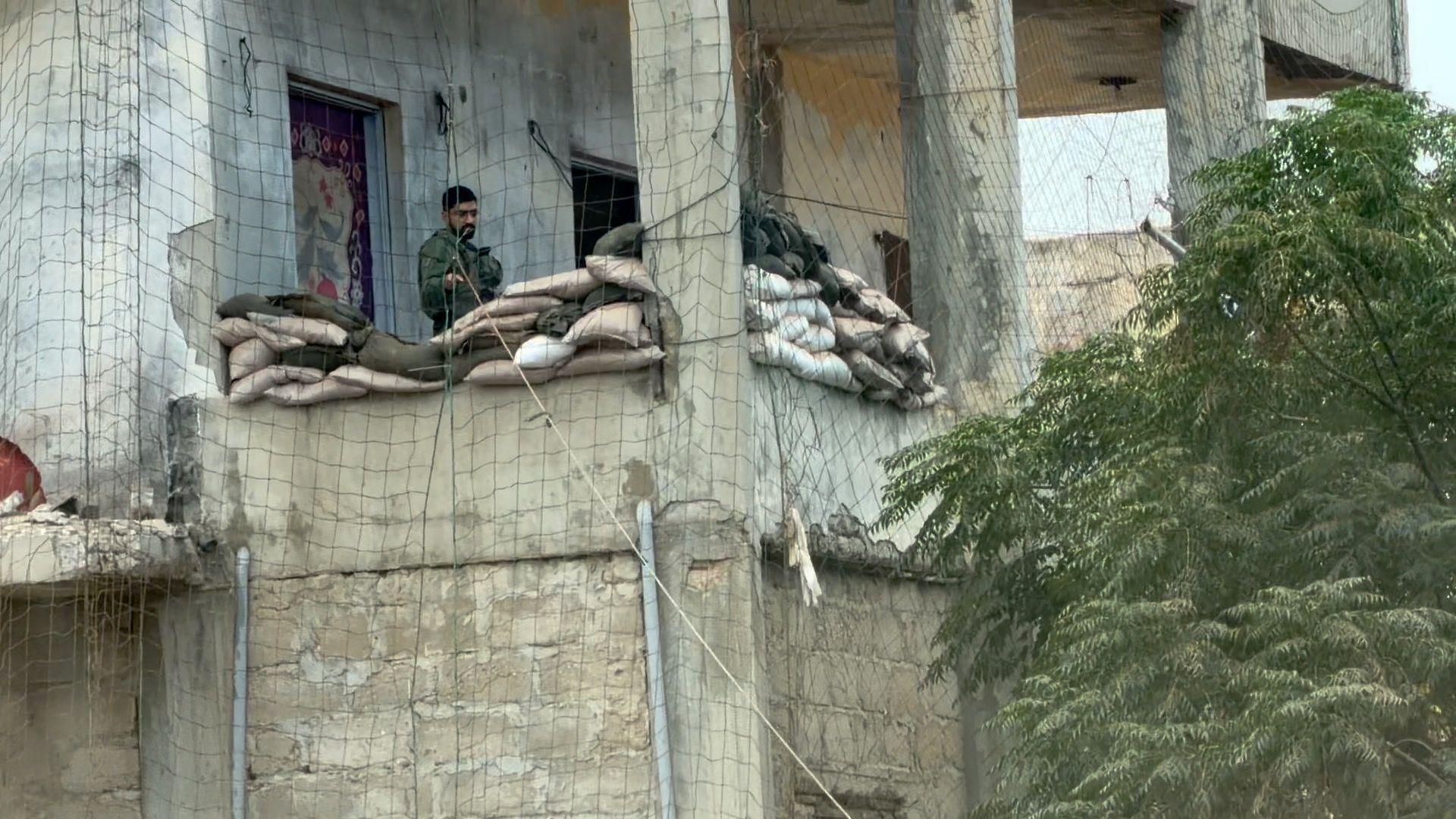
Local mayor Abdul Azim Wadi told the BBC that some of the vacated houses were used by Israeli soldiers as temporary barracks. In response, the military said its instruction to the troops was that residents would be left in their homes, warning that the terrain was high‑risk for the soldiers.
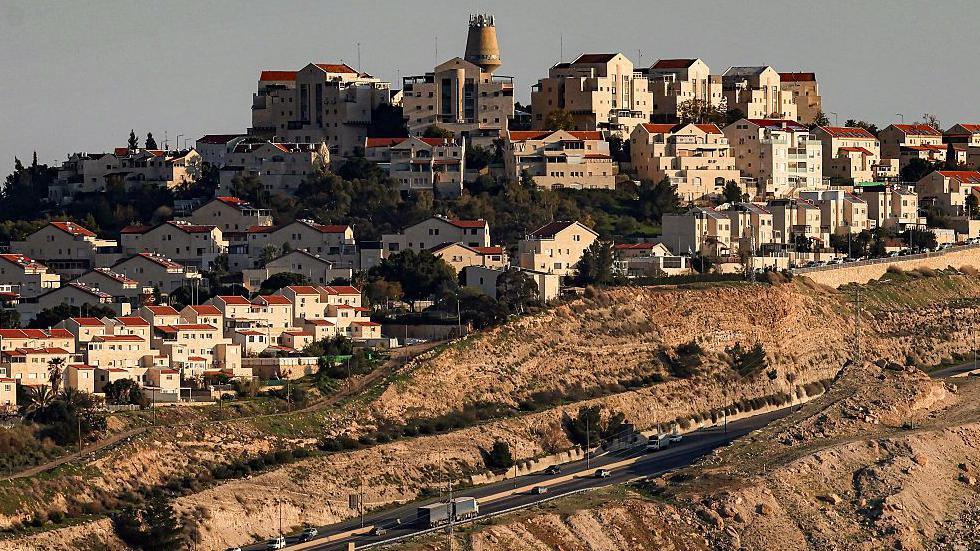
The settlement blockade remains a stark illustration of the tension between Palestinian civilians and Israeli security forces in the West Bank, where 127 communities have faced partial or full displacement since early 2023 and 3,800 Palestinians have been reported displaced in 2026. These incidents demonstrate how a small village siege can become a flashpoint for larger humanitarian and legal crises.