A Significant Shift: The Evolving Landscape of British Jewry in 2023
It's been an incredibly difficult two years, says Phil Rosenberg, president of the Board of Deputies of British Jews. I think our Jewish identity is being worn far more heavily these days given the pain of it all.
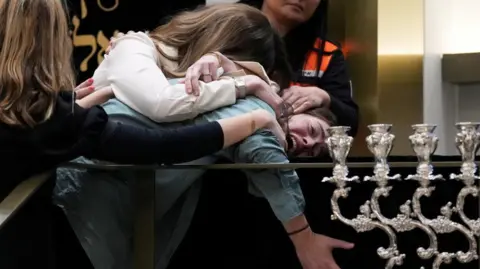
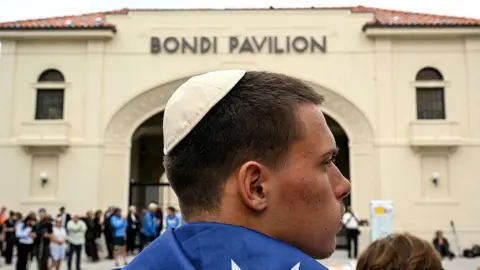
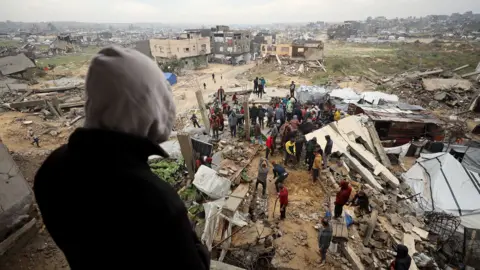
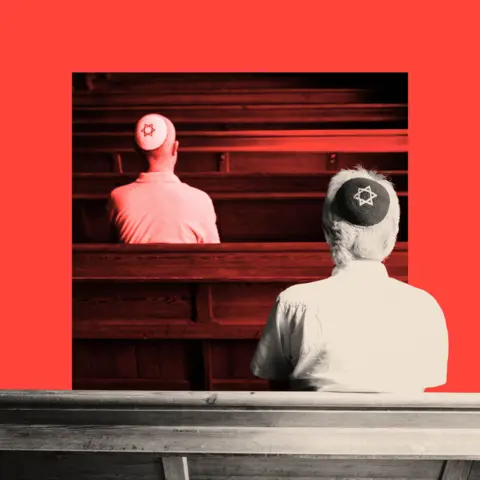
Recent conflicts, particularly the attacks on October 7 and subsequent military actions in Gaza, have had a deeply personal impact on British Jewry, with rising antisemitism further complicating the landscape. The rise in hate crimes against Jewish communities has alarmingly spiked, leading many to feel increasingly vulnerable.
Ben Dory, 33, living in London, notes, There was an extent to which it felt like Jewish friends were more likely to understand. I’ve ended up making more Jewish friends and being more involved with the Jewish community. This sentiment resonated through discussions with various community members, highlighting a shift in how British Jews connect and engage with each other amid rising tensions.
Hate Crimes and Antisemitism
Statistics reveal that the number of hate crimes targeted at Jewish individuals surged, with recorded figures doubling from 1,543 in 2023 to 3,282 by March 2024. Such alarming trends have forced many community members to reassess their safety practices, affecting personal and communal life.
Phil Rosenberg emphasizes the ongoing debate within and outside the Jewish community, stating, We have a whole range of activities to confront antisemitism, but we need to see our community through a broader lens than just the pain. He advocates for more positive narratives about Jewish contributions to British life, which have been eclipsed by negative press surrounding conflict and safety concerns.
A Generational Divide
Intriguingly, a growing generational divide has emerged regarding opinions on Israel. Research indicates that attitudes towards Zionism vary significantly by age, with younger Jews increasingly critical of Israeli policies and actions. This divergence in opinion often leads to personal conflicts and strained friendships within the diaspora.
Interviews reveal that not all young Jews view Israel as a 'safe haven'. Tash Hyman, a 33-year-old theatre director, expresses her uncomfortable stance stating, The actions of the state of Israel make me feel less safe, not more safe... it makes me less safe in the UK because of what they are doing in Gaza.
The Impact of Recent Events
Lavona Zarum, born in Israel, shares a personal experience of feeling alienated after the October 7 attacks: I had quite a few people walk away from me. People felt very comfortable stating their opinions online while I was navigating the complexities of my own feelings. This isolation has catalyzed a renewed focus on building supportive communities.
As British Jews navigate this unprecedented landscape, the discourse surrounding Israel, antisemitism, and community identity is evolving. It reflects broader societal shifts as generations grow apart in their perspectives, shaped by their experiences and the political climate.
Phil Rosenberg warns, The future of Jewish people in the UK is on a real knife edge. How Britain chooses to respond will influence the long-term safety and belonging felt by the Jewish community.