A Japanese Mayor Goes on Maternity Leave, Sparking Nationwide Debate
Shoko Kawata, 35, the youngest mayor in Japan’s history, announced she would take maternity leave from mid‑August to early November. Although the town’s council welcomed her decision, the announcement triggered a wave of comments across social media, sparking a debate about whether elected officials should be permitted to take time off for childbirth.
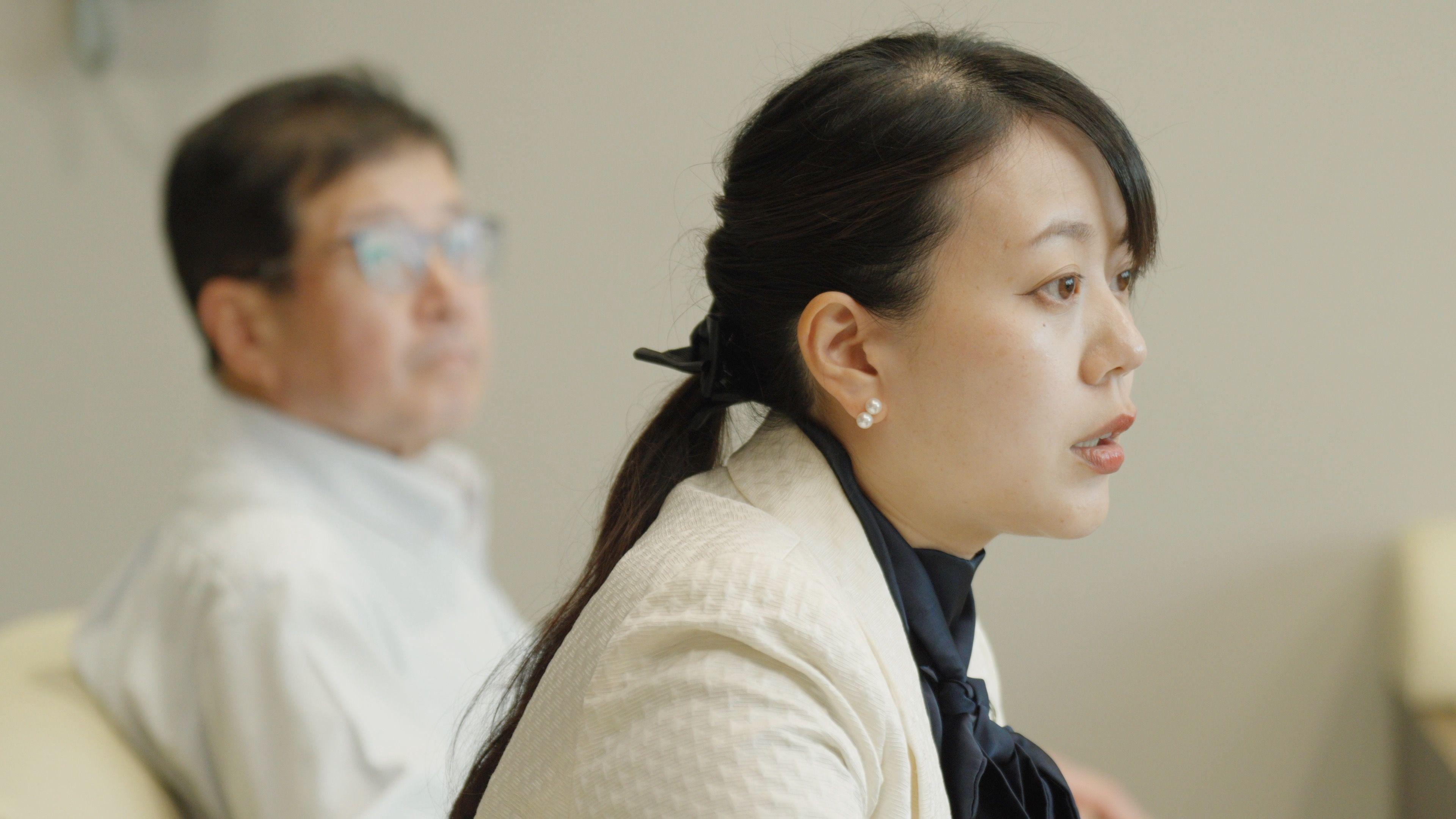
Because Japan’s legal system does not provide a formal framework for public office holders to go on maternity leave, Kawata chose to delegate her responsibilities to Deputy Mayor Shigeto Nose for the period. Nose, 62, will act with full authority and will meet with her remotely each week to discuss major decisions.
The response online was mixed. Supporters praised Kawata for prioritizing her family and for setting a precedent that could help more women join politics. Critics argued that stepping away from office was irresponsible, citing demands that officials “need to be dedicated full‑time.” Some even called for a salary reduction during her leave, while others suggested that a policy of mandatory resignation should be introduced for elected officials who take extended leave.
Japan’s statutory maternity and paternity leave offers six weeks for mothers before birth, eight weeks after, and additional child‑care leave up to the child’s first birthday. However, the policy’s reach is uneven, and many public servants – particularly politicians – often forego it due to the lack of supportive structures.
Kawata’s case brings spotlight to broader gender‑gap issues. A 2025 Cabinet Office survey cited pregnancy, entitlement to childcare, and gender stereotypes as key barriers for women in Japanese politics, where women hold only about 4% of municipal leadership roles. The debate around her leave could act as a catalyst for reforms that allow public officials to balance career and family without sacrificing public service quality.
What will pressure Japan’s political institutions to reconsider the norms around maternity leave, and how might this reshape the future of female representation? For now, Kawata remains an outspoken advocate that a society where mothers can thrive without abandoning duty is not only possible but inevitable.