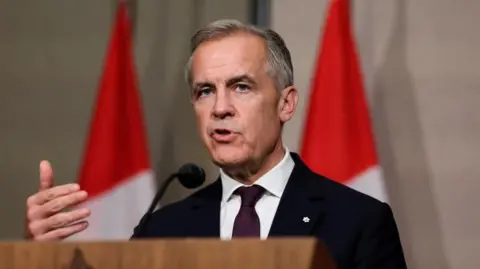
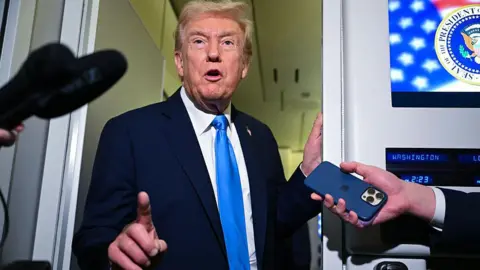
In a striking statement that reignited longstanding tensions, President Trump has implicated Canada in the ongoing fentanyl crisis gripping the United States. During a press conference following his inauguration, Trump emphasized the severity of the problem, claiming, "The fentanyl coming through Canada is massive." This assertion coincided with a record seizure of cocaine by Toronto police, highlighting the complexities of cross-border drug trafficking.
President Trump’s remarks came as he announced plans to impose a hefty 25 percent tariff on exports from both Canada and Mexico, aiming to curb the flow of narcotics and migrants into the U.S. He accused both nations of insufficient border control, despite evidence to the contrary from government reports that do not substantiate Trump's claims about Canada’s role in the fentanyl trade.
Howard Lutnick, Trump’s nominee for commerce secretary, reiterated the administration’s tough stance, insisting the need for Canada to "respect America" by tightening its border enforcement. "Shut your border and end fentanyl coming into this country," Lutnick urged during his confirmation hearing.
In a bid to avert the impending tariffs, the Canadian government has ramped up its border surveillance efforts, deploying drones, canine units, and helicopters to monitor cross-border traffic. Nevertheless, law enforcement announcements and Prime Minister Justin Trudeau's reassurances seem to have little impact on the U.S. administration’s demand for stricter measures.
As the deadline for the tariff imposition approaches, the situation remains tense, with both political and social implications on the horizon. Canada continues to grapple with its image and responsibilities in the cross-border drug trade, while the U.S. administration appears poised to escalate its pressure during this volatile period.