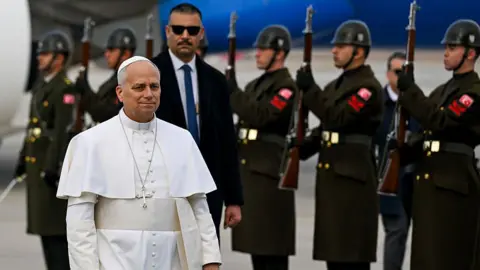
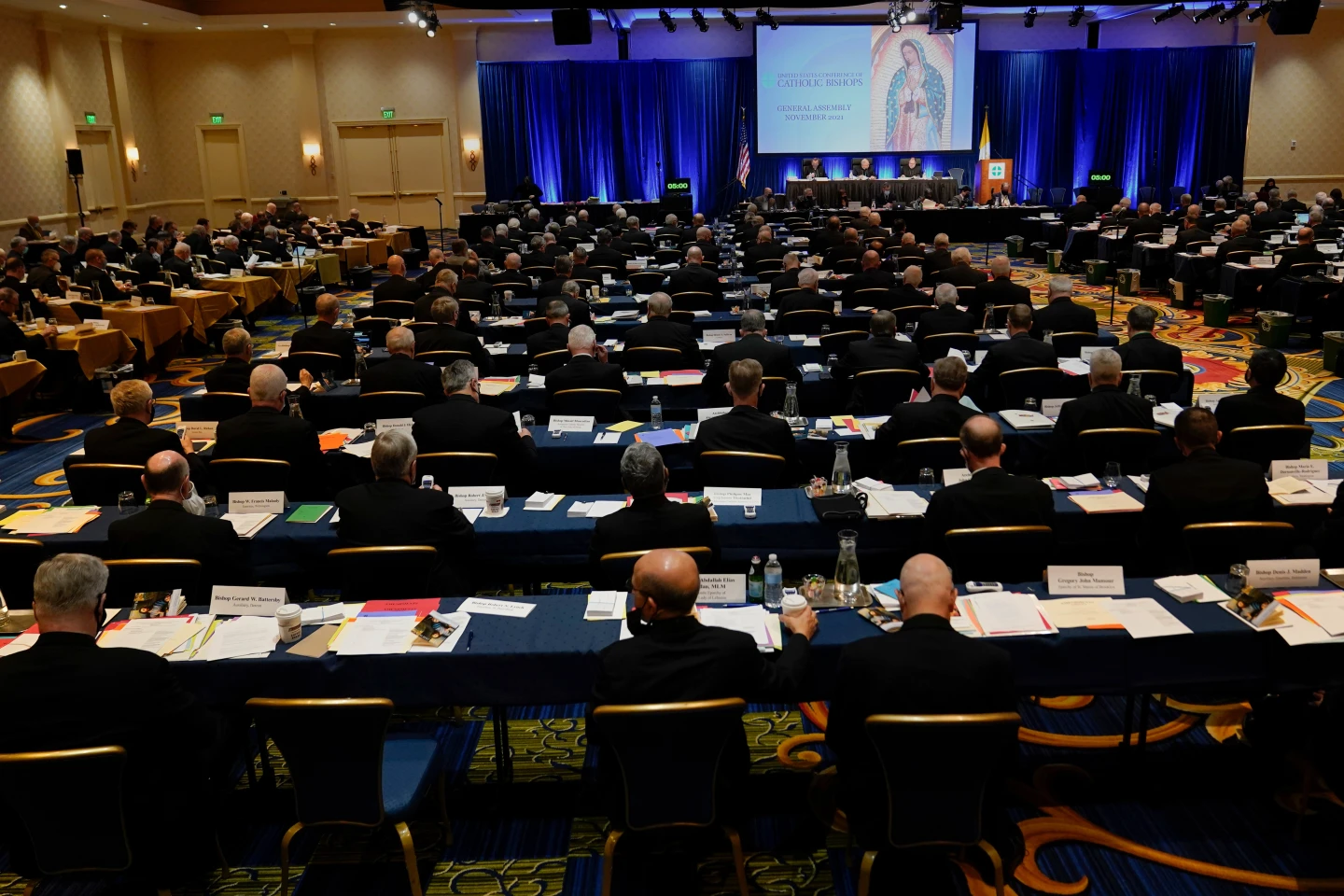
May 7, 2025 - The long-awaited conclave began today as 133 cardinals gathered in the Sistine Chapel, undertaking a solemn procession to elect the next leader for 1.4 billion Roman Catholics. This conclave, which marks the first in over a decade, is unfolding in the wake of Pope Francis' recent death, igniting widespread speculation and anticipation regarding his successor amid a backdrop of significant challenges facing the Church.
The atmosphere in the chapel was steeped in history, adorned by masterpieces from Renaissance artists while the cardinals sealed themselves off from the outside world. Their first duty was to attend Mass at St. Peter's Basilica, a tradition that reinforces the gravity of their task, before pledging an oath of secrecy for the deliberations that would follow.
Initial voting was expected to commence shortly after their oaths, but the likelihood of reaching a conclusive decision on the first day remained slim, urging the cardinals to brace for further rounds of voting. Traditionally, smoke signals from the furnace atop the chapel provide updates; black smoke indicates no pope has been elected, while white signifies the emergence of a new pontiff.
Notable contenders for the papacy include Cardinal Pietro Parolin, who served as Francis' second-in-command, and Cardinal Luis Antonio Tagle from the Philippines. The next pope's priorities will be closely watched, reflecting the tensions within the Church between progressive factions advocating for inclusivity and conservative factions seeking to preserve traditional doctrines.
As the conclave unfolds, many eyes will remain fixed on the Sistine Chapel chimney, a most-watched symbol of this historic process. Dialogue among the electors is vital, as the final decision may tip the scales of direction for a Church facing a reckoning on numerous crucial issues. The outcome of this conclave will not only determine the future leadership but could redefine the Church's path in the years ahead.
The atmosphere in the chapel was steeped in history, adorned by masterpieces from Renaissance artists while the cardinals sealed themselves off from the outside world. Their first duty was to attend Mass at St. Peter's Basilica, a tradition that reinforces the gravity of their task, before pledging an oath of secrecy for the deliberations that would follow.
Initial voting was expected to commence shortly after their oaths, but the likelihood of reaching a conclusive decision on the first day remained slim, urging the cardinals to brace for further rounds of voting. Traditionally, smoke signals from the furnace atop the chapel provide updates; black smoke indicates no pope has been elected, while white signifies the emergence of a new pontiff.
Notable contenders for the papacy include Cardinal Pietro Parolin, who served as Francis' second-in-command, and Cardinal Luis Antonio Tagle from the Philippines. The next pope's priorities will be closely watched, reflecting the tensions within the Church between progressive factions advocating for inclusivity and conservative factions seeking to preserve traditional doctrines.
As the conclave unfolds, many eyes will remain fixed on the Sistine Chapel chimney, a most-watched symbol of this historic process. Dialogue among the electors is vital, as the final decision may tip the scales of direction for a Church facing a reckoning on numerous crucial issues. The outcome of this conclave will not only determine the future leadership but could redefine the Church's path in the years ahead.