In the early 2000s, scientists at 3M made a concerning revelation that has far-reaching implications. Their research indicated alarming levels of PFAS—perfluoroalkyl and polyfluoroalkyl substances, widely known as "forever chemicals"—in sewage throughout the United States. These chemicals, found in products ranging from nonstick cookware to stain-resistant fabrics, raised significant health concerns linked to birth defects, cancer, and other serious conditions.
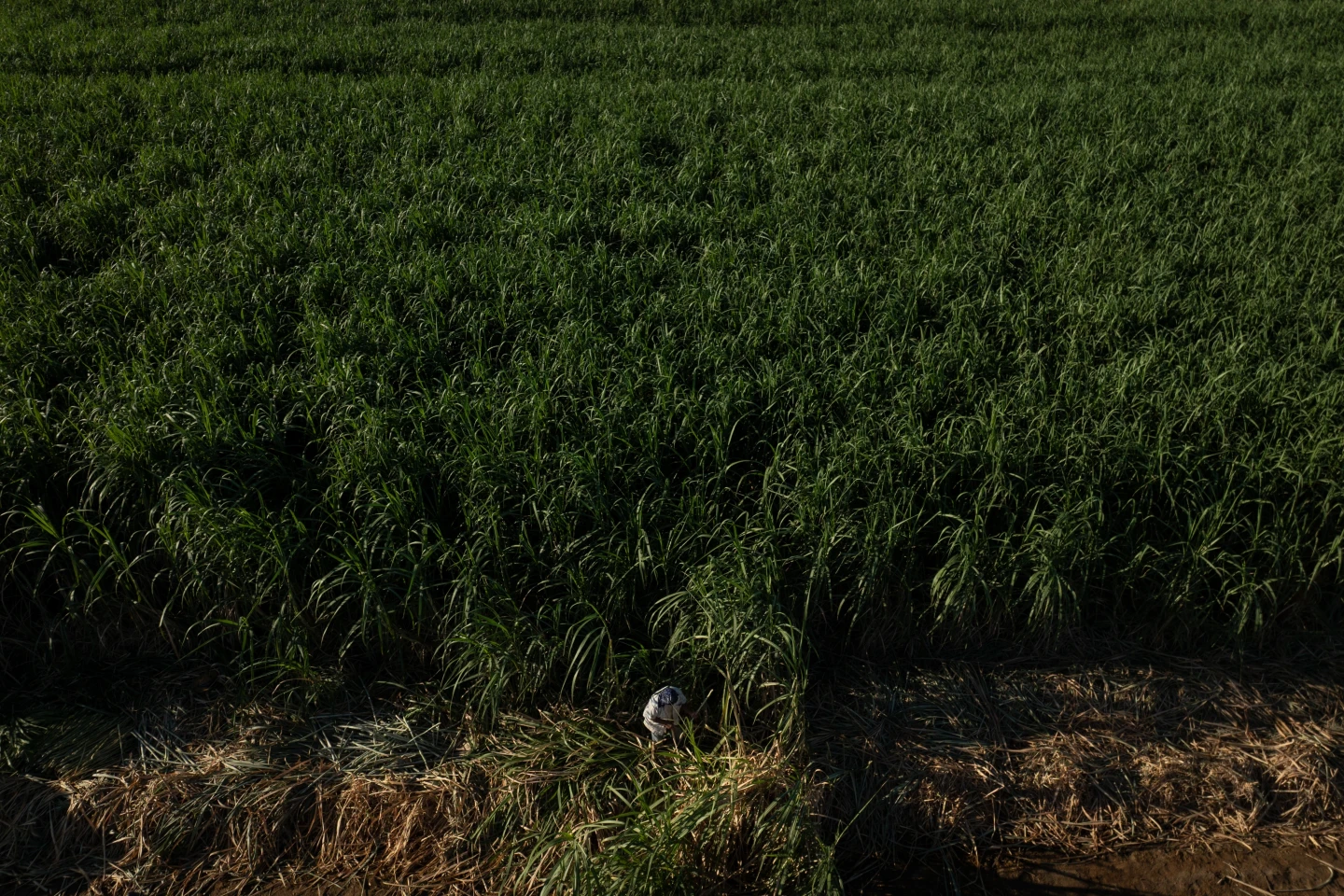
Alarmingly, these findings found their way into the fertilizer market, as the Environmental Protection Agency (EPA) had been advocating for the use of sewage sludge, a byproduct of wastewater treatment, as a soil additive on farms nationwide. This means that PFAS contaminants were potentially being spread across agricultural fields, impacting food safety and environmental health.
Despite knowing the risks, which were conveyed to the EPA during a meeting in 2003, the agency has not mandated testing for PFAS in sewage sludge. Experts have issued repeated warnings regarding the use and potential dangers of spread sludge over the years. David Lewis, a former EPA microbiologist, emphasized the complexity of chemicals in these mixtures and highlighted the permanent contamination issues that could arise in soil.
The EPA's ongoing endorsement of sewage sludge as fertilizer, despite accumulating evidence of contamination, raises crucial questions about regulatory practices, public health, and the effectiveness of agency oversight in safeguarding the environment and health of citizens. As discussions around food safety and environmental regulations continue, the implications of such practices remain a pressing concern.