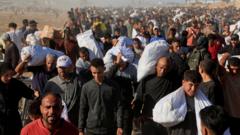
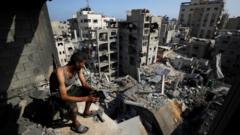
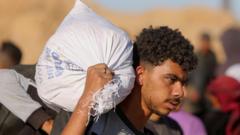
With the recent rebel takeover of Goma, the Democratic Republic of Congo is mourning an immense loss, as nearly 3,000 people were reported killed last week. The Red Cross has warned of upcoming mass burials as locals grapple with the fallout of one of the deadliest conflicts in decades.
Mass Burials in Goma After Rebel Takeover Claims Thousands

Mass Burials in Goma After Rebel Takeover Claims Thousands
The Democratic Republic of Congo faces a devastating toll after nearly 3,000 lives were lost during the recent clashes in Goma, as rebels take control of the city.
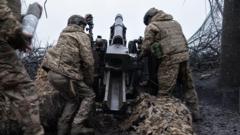
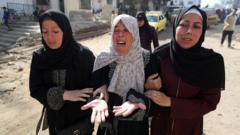
In Goma, Democratic Republic of Congo, the aftermath of a fierce conflict between government forces and the M23 rebel group has resulted in catastrophic human loss, with nearly 3,000 people dead in a matter of days. This devastating figure has emerged as humanitarian workers and volunteers rush to prepare mass burial sites in the city, grappling with the grim reality of one of the bloodiest episodes the region has endured in decades.
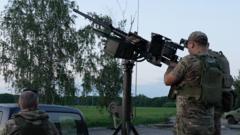
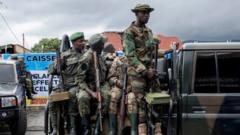
In remarks to the media, Myriam Favier, the spokesperson for the International Committee of the Red Cross in Goma, stated, “We have days of mass burials ahead of us.” This stark warning underlines the urgency of their efforts amid the ongoing crisis. The U.N. peacekeeping mission has characterized these clashes as some of the fiercest to strike the area, with the M23 rebels—believed to be backed by Rwanda—successfully seizing control of the city last week.
Historical tensions in the Congo have roots in complex ethnic divisions and competition for land and critical mineral resources. Experts note that while the conflict has persisted for over three decades, the recent scale of death in such a short period is exceptionally alarming.
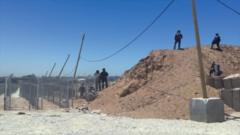
Despite a lull in fighting in the last few days, the capture of Goma by the rebels has intensified fears of a broader conflict spreading across the region, potentially involving neighboring nations such as Rwanda. As the dust settles in Goma, the international community watches on with concern as the humanitarian crisis deepens and the full extent of the tragedy unfolds.