In just a few days, the citizens of Uruguay will participate in a pivotal election on Sunday, which could prove crucial for the nation’s future as it balances on a tightrope of political stability and pressing social challenges. With a population of 3.4 million, Uruguay's elections are characterized by civil discourse and a focus on policies, a refreshing contrast to the more contentious political climates seen in other parts of the world, like the United States.
Current President Luis Lacalle Pou, representing a conservative coalition, will not be seeking re-election due to constitutional term limits. Voters will choose between maintaining the conservative status quo or allowing a return to power for a leftist coalition that previously governed from 2005 until 2020. A victory for the opposition candidate, Yamandú Orsi, would likely impact prospective trade agreements with China as Orsi has indicated a preference for negotiating through Mercosur, the South American trade bloc.
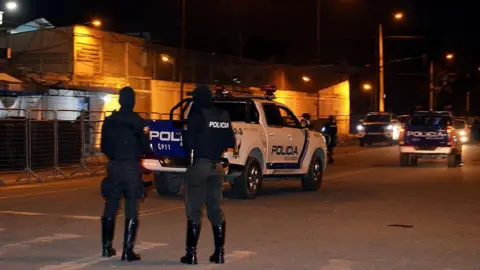
The new president will inherit several pressing issues that include an aging population, increasing child poverty, and the rising challenge of violent crime as drug trafficking gangs expand their influence in what has historically been one of South America’s safest countries. As the election draws near, the focus remains on how the next administration will address these significant societal issues while also navigating international diplomatic relations.
Current President Luis Lacalle Pou, representing a conservative coalition, will not be seeking re-election due to constitutional term limits. Voters will choose between maintaining the conservative status quo or allowing a return to power for a leftist coalition that previously governed from 2005 until 2020. A victory for the opposition candidate, Yamandú Orsi, would likely impact prospective trade agreements with China as Orsi has indicated a preference for negotiating through Mercosur, the South American trade bloc.
The new president will inherit several pressing issues that include an aging population, increasing child poverty, and the rising challenge of violent crime as drug trafficking gangs expand their influence in what has historically been one of South America’s safest countries. As the election draws near, the focus remains on how the next administration will address these significant societal issues while also navigating international diplomatic relations.