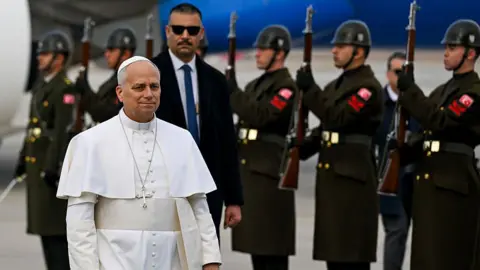
In a historic moment reshaping the Catholic Church, Cardinal Robert Francis Prevost emerged as Pope Leo XIV, after just over a day of deliberations among 133 cardinals in a conclave at the Vatican. With his election, he becomes the first American to lead the Roman Catholic Church, representing a significant departure from tradition.
Born in Chicago and serving 20 years in Peru, Leo XIV greeted a jubilant St. Peter's Square with an emphasis on unity and peace: “Peace be with you!” His call resonates not only within the church but also amid ongoing global challenges. His frank acknowledgment of the need for bridges and mutual understanding signals a shift from the recent polarized climate in ecclesiastical directives.
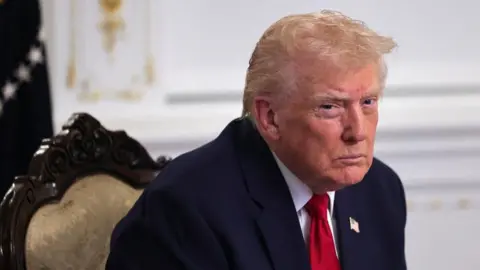
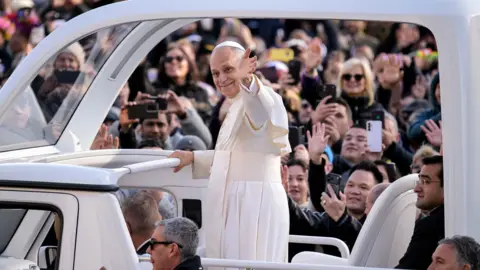
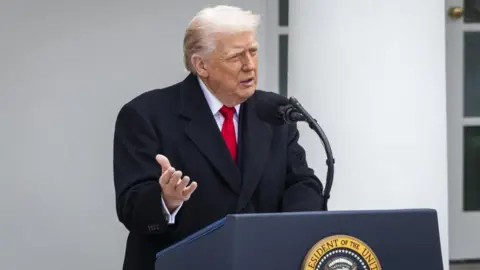
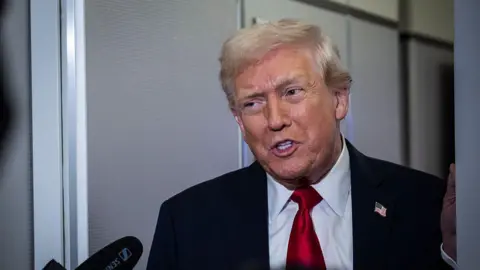
His election was met with ecstatic reactions in both Vatican City and his hometown of Chicago. The announcement from the balcony of St. Peter’s Basilica sparked delight and a flurry of American flags waving in the air. Among supporters, U.S. President Trump remarked that this choice was an honor and celebrated the significance of having an American pope.
Following the election, Pope Leo XIV's speech resonated deeply, as he reiterated calls for a peaceful, inclusive church while ensuring dialogue and support for marginalized communities. Many gathered in St. Peter's Square, including international onlookers, exchanged puzzled glances when they heard an American name, but soon transformed their hesitations into approval as they connected with Leo's heartfelt messages.
Despite being American-born, Leo XIV primarily communicated in Italian and Spanish during his initial appearance, showing his commitment to the global church. His history, spanning roles as a bishop in Peru and a prominent Vatican position under Pope Francis, has established him as a unifying figure willing to engage with diverse perspectives.
As he steps into his papacy, Pope Leo XIV faces pressing decisions regarding the church's future direction amidst ideological divides between progressive and conservative factions. Even with some trepidation about his potential conservative influences, many in the crowd expressed hope that the first American pope could foster stronger international relations and address societal challenges effectively.
For a country where about 20% of adults identify as Catholic, the significance of this election cannot be overstated. Chicagoans, in particular, have expressed immense pride in their native son. As celebrations unfolded, reactions varied, with some recalling his humble beginnings and others questioning his prior views.
Amid the anticipation of his papal reign, Pope Leo XIV's early speeches indicate a commitment to preserving and amplifying the legacy of his predecessor, Pope Francis. Thus, while he is expected to maintain his own leadership style, the influence of Pope Francis may well guide him along a path of compassion and outreach as he navigates an increasingly complex world.
Born in Chicago and serving 20 years in Peru, Leo XIV greeted a jubilant St. Peter's Square with an emphasis on unity and peace: “Peace be with you!” His call resonates not only within the church but also amid ongoing global challenges. His frank acknowledgment of the need for bridges and mutual understanding signals a shift from the recent polarized climate in ecclesiastical directives.
His election was met with ecstatic reactions in both Vatican City and his hometown of Chicago. The announcement from the balcony of St. Peter’s Basilica sparked delight and a flurry of American flags waving in the air. Among supporters, U.S. President Trump remarked that this choice was an honor and celebrated the significance of having an American pope.
Following the election, Pope Leo XIV's speech resonated deeply, as he reiterated calls for a peaceful, inclusive church while ensuring dialogue and support for marginalized communities. Many gathered in St. Peter's Square, including international onlookers, exchanged puzzled glances when they heard an American name, but soon transformed their hesitations into approval as they connected with Leo's heartfelt messages.
Despite being American-born, Leo XIV primarily communicated in Italian and Spanish during his initial appearance, showing his commitment to the global church. His history, spanning roles as a bishop in Peru and a prominent Vatican position under Pope Francis, has established him as a unifying figure willing to engage with diverse perspectives.
As he steps into his papacy, Pope Leo XIV faces pressing decisions regarding the church's future direction amidst ideological divides between progressive and conservative factions. Even with some trepidation about his potential conservative influences, many in the crowd expressed hope that the first American pope could foster stronger international relations and address societal challenges effectively.
For a country where about 20% of adults identify as Catholic, the significance of this election cannot be overstated. Chicagoans, in particular, have expressed immense pride in their native son. As celebrations unfolded, reactions varied, with some recalling his humble beginnings and others questioning his prior views.
Amid the anticipation of his papal reign, Pope Leo XIV's early speeches indicate a commitment to preserving and amplifying the legacy of his predecessor, Pope Francis. Thus, while he is expected to maintain his own leadership style, the influence of Pope Francis may well guide him along a path of compassion and outreach as he navigates an increasingly complex world.