Argentina's newly elected President Javier Milei is weighing the possibility of withdrawing from the Paris climate agreement, a landmark effort to mitigate climate change through a global coalition to reduce carbon emissions. This contemplation reflects a broader reassessment of the country's climate strategies, according to Foreign Minister Gerardo Werthein, who stated the government has not yet reached a final decision.
The Paris Agreement, established in 2015, has faced criticism under Milei’s left-leaning administration, which has labeled climate concerns as “socialist lies.” A significant move towards withdrawal could resonate internationally, particularly as it may reenergize discussions about other countries potentially stepping away from the accord. The potential influence of such a decision comes into sharper focus as Milei withdrew Argentina's delegation from COP29, the UN climate summit currently underway in Baku, Azerbaijan.
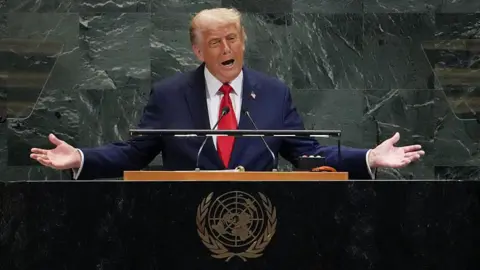
Werthein articulated the government's commitment to thoroughly reassessing its climate policies as conversations about the future of Argentina's involvement in international climate commitments gain momentum. This move demonstrates a shift towards skepticism regarding global climate initiatives, mirroring previous controversial decisions made by former U.S. President Donald Trump.
While deliberations are still in early stages, key stakeholders are monitoring the situation closely, anticipating the possible ramifications on global climate negotiations and cooperation in combating climate change if Argentina decides to leave the Paris Agreement.
The Paris Agreement, established in 2015, has faced criticism under Milei’s left-leaning administration, which has labeled climate concerns as “socialist lies.” A significant move towards withdrawal could resonate internationally, particularly as it may reenergize discussions about other countries potentially stepping away from the accord. The potential influence of such a decision comes into sharper focus as Milei withdrew Argentina's delegation from COP29, the UN climate summit currently underway in Baku, Azerbaijan.
Werthein articulated the government's commitment to thoroughly reassessing its climate policies as conversations about the future of Argentina's involvement in international climate commitments gain momentum. This move demonstrates a shift towards skepticism regarding global climate initiatives, mirroring previous controversial decisions made by former U.S. President Donald Trump.
While deliberations are still in early stages, key stakeholders are monitoring the situation closely, anticipating the possible ramifications on global climate negotiations and cooperation in combating climate change if Argentina decides to leave the Paris Agreement.