Despite aid corridors reportedly ready for delivery, the UN emphasizes the urgency of reopening borders as humanitarian needs escalate.
The article text.
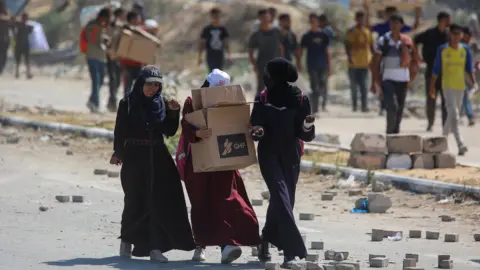
The UN World Food Programme (WFP) has declared that it has run out of food supplies in Gaza due to an ongoing blockade imposed by Israel, which has lasted for seven weeks. The WFP stated, “Today, WFP delivered its last remaining food stocks to hot meal kitchens,” indicating that these facilities, which provide crucial meals to the populace, are on the verge of depleting their resources.
The humanitarian situation reached this acute level after Israel curtailed aid on March 2 and continued military operations shortly after the collapse of a ceasefire agreement aimed at mediating the conflict. According to the UN, Israel is obligated under international law to ensure the provision of essential supplies to the 2.1 million residents of Gaza, even as Israeli officials assert that they are not responsible for any blockade-induced shortages.
As a direct result of the aid restrictions, all 25 bakeries previously supported by the WFP have shut down due to the lack of wheat flour and cooking fuel, while emergency food parcels that were designed to last for two weeks have also been fully distributed. The concern for widespread malnutrition is escalating, with recent screenings revealing a alarming spike in acute malnutrition cases, particularly among children, the elderly, and expectant and nursing mothers.
Dr. Tedros Adhanom Ghebreyesus, World Health Organization (WHO) director-general, pointed to the critical state of affairs in Gaza, declaring, “This aid blockade must end. Lives depend on it.” The WFP's blockade of aid is reportedly the longest in Gaza's history and has exacerbated existing vulnerabilities in food systems, resulting in food prices skyrocketing up to 1,400% since the ceasefire ended.
According to the WFP, “The situation inside the Gaza Strip has once again reached a breaking point,” warning that without immediate action to open aid routes, the necessary assistance may cease. The agency's Country Director, Antoine Renard, stressed the importance of keeping hot meal kitchens operational, noting the immense displacement among the population.
As households scramble for food, some resorting to bartering or selling personal items for basic supplies, many face starvation, with begging now a prevalent practice unmatched in prior years. In recent comments, humanitarian access management representatives noted that when the kitchens run out of food, they will be unable to provide any meals to those in need.
Earlier this week, the Israeli foreign ministry dismissed calls for an end to the blockade from the UK, France, and Germany, arguing that the claims of aid shortages are unfounded. The ministry cited transfers of approximately 450,000 tonnes of aid into Gaza during the brief ceasefire, while also attributing the situation to Hamas, alleging that the group has misappropriated aid meant for civilians.
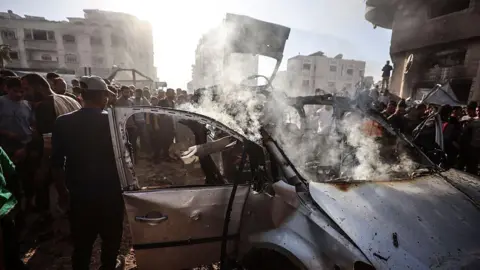
As the conflict continues following an unprecedented attack in early October 2023, the staggering death toll in Gaza has reached at least 51,439 individuals, according to sources within Gaza's Hamas-driven health ministry. The need for humanitarian access and compliance with international legal obligations is greater than ever, as aid organizations call for immediate attention to the dire situation on the ground.
The article text.
The UN World Food Programme (WFP) has declared that it has run out of food supplies in Gaza due to an ongoing blockade imposed by Israel, which has lasted for seven weeks. The WFP stated, “Today, WFP delivered its last remaining food stocks to hot meal kitchens,” indicating that these facilities, which provide crucial meals to the populace, are on the verge of depleting their resources.
The humanitarian situation reached this acute level after Israel curtailed aid on March 2 and continued military operations shortly after the collapse of a ceasefire agreement aimed at mediating the conflict. According to the UN, Israel is obligated under international law to ensure the provision of essential supplies to the 2.1 million residents of Gaza, even as Israeli officials assert that they are not responsible for any blockade-induced shortages.
As a direct result of the aid restrictions, all 25 bakeries previously supported by the WFP have shut down due to the lack of wheat flour and cooking fuel, while emergency food parcels that were designed to last for two weeks have also been fully distributed. The concern for widespread malnutrition is escalating, with recent screenings revealing a alarming spike in acute malnutrition cases, particularly among children, the elderly, and expectant and nursing mothers.
Dr. Tedros Adhanom Ghebreyesus, World Health Organization (WHO) director-general, pointed to the critical state of affairs in Gaza, declaring, “This aid blockade must end. Lives depend on it.” The WFP's blockade of aid is reportedly the longest in Gaza's history and has exacerbated existing vulnerabilities in food systems, resulting in food prices skyrocketing up to 1,400% since the ceasefire ended.
According to the WFP, “The situation inside the Gaza Strip has once again reached a breaking point,” warning that without immediate action to open aid routes, the necessary assistance may cease. The agency's Country Director, Antoine Renard, stressed the importance of keeping hot meal kitchens operational, noting the immense displacement among the population.
As households scramble for food, some resorting to bartering or selling personal items for basic supplies, many face starvation, with begging now a prevalent practice unmatched in prior years. In recent comments, humanitarian access management representatives noted that when the kitchens run out of food, they will be unable to provide any meals to those in need.
Earlier this week, the Israeli foreign ministry dismissed calls for an end to the blockade from the UK, France, and Germany, arguing that the claims of aid shortages are unfounded. The ministry cited transfers of approximately 450,000 tonnes of aid into Gaza during the brief ceasefire, while also attributing the situation to Hamas, alleging that the group has misappropriated aid meant for civilians.
As the conflict continues following an unprecedented attack in early October 2023, the staggering death toll in Gaza has reached at least 51,439 individuals, according to sources within Gaza's Hamas-driven health ministry. The need for humanitarian access and compliance with international legal obligations is greater than ever, as aid organizations call for immediate attention to the dire situation on the ground.