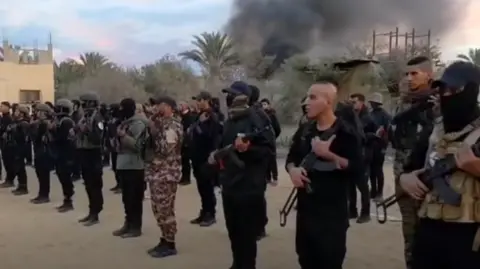
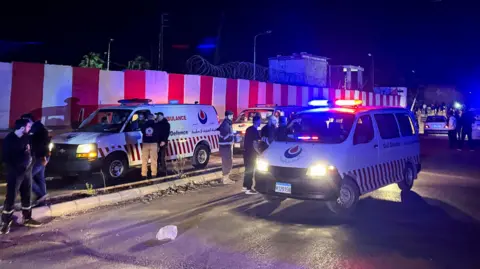
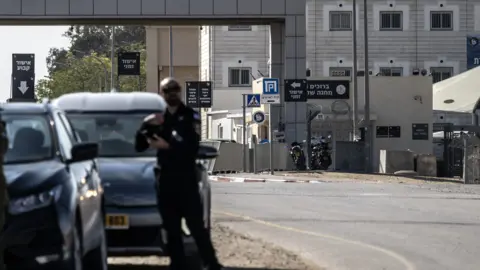
On June 13, 2025, Israeli forces undertook a significant military operation against Iran, marking an unprecedented escalation in hostilities between the two nations. The strikes, aimed at dismantling Iran's nuclear ambitions and military leadership, resulted in the deaths of several high-ranking Iranian officials, including military commanders. Prime Minister Benjamin Netanyahu justified the attacks as essential for Israel’s national security amidst escalating tensions, framing Iran as an existential threat.
Following the assaults, Iran’s leadership has vowed a severe response, launching over 100 drones headed towards Israel shortly after the attacks began. Despite Israel's defense system interception of these drones, the atmosphere in Israel remains tense, with citizens preparing for potential escalations in hostilities.
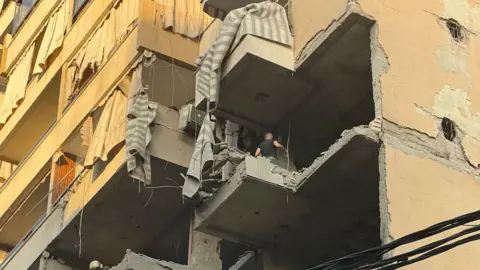
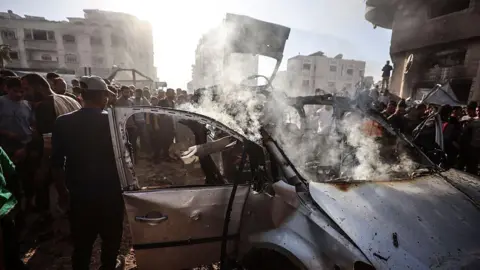
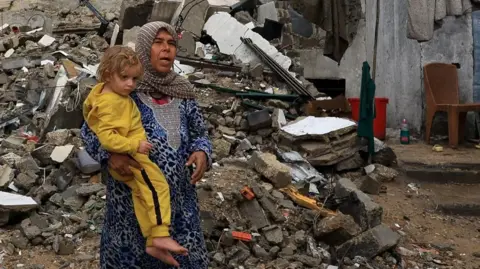
Reports indicate that Israel successfully targeted pivotal military locations, including the Natanz nuclear facility, where uranium enrichment occurs. Eyewitness accounts from Tehran describe widespread destruction, panic in the streets, and lengthy queues at gas stations and grocery stores as residents seek to secure supplies amid the chaos. Reports suggest fatalities among civilians, with damages expected to be high given the intensity of the strikes.
Iran's leadership has been swift in reshaping military command structures, appointing new officials to maintain momentum following the loss of several key figures. Ayatollah Ali Khamenei has urged a robust retaliation against Israel, hinting at a possible escalation of military measures.
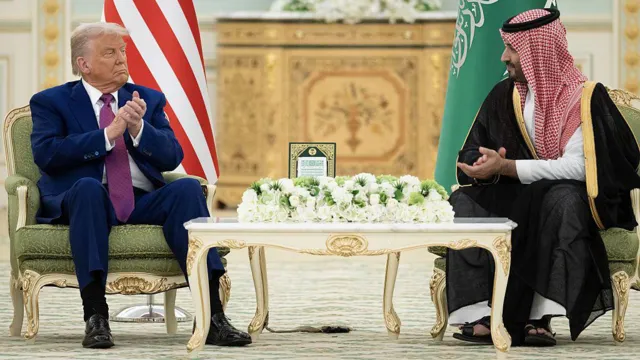
As the international community watches closely, the delicate balance of power in the Middle East hangs in the balance. The U.S. has distanced itself from the attacks, asserting non-involvement, while European leaders call for de-escalation amidst fears that the conflict could spiral into a broader regional war, potentially impacting global energy markets. Oil prices surged in response to the attacks, reflecting concerns over instability within this vital region.
Analysts and witnesses on both sides express varying degrees of apprehension and anticipation of further conflict, as the aftermath of Israel's military offensive reverberates across geopolitical landscapes.
This unprecedented move, seen as a turning point in Israeli-Iranian relations, raises questions about the future of nuclear negotiations and the potential for extended military engagements in the region.